Entries
Filters: Sorted by date
GPT-5.2

OpenAI reportedly declared a “code red” on the 1st of December in response to increasingly credible competition from the likes of Google’s Gemini 3. It’s less than two weeks later and they just announced GPT-5.2, calling it “the most capable model series yet for professional knowledge work”.
[... 964 words]Useful patterns for building HTML tools
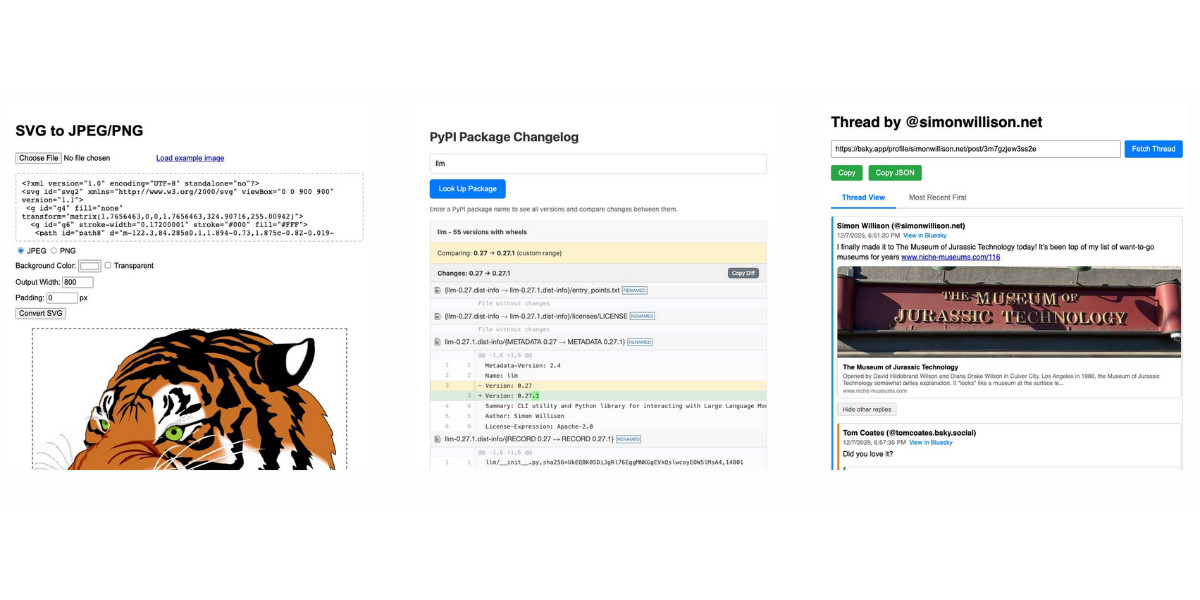
I’ve started using the term HTML tools to refer to HTML applications that I’ve been building which combine HTML, JavaScript, and CSS in a single file and use them to provide useful functionality. I have built over 150 of these in the past two years, almost all of them written by LLMs. This article presents a collection of useful patterns I’ve discovered along the way.
[... 4,231 words]Under the hood of Canada Spends with Brendan Samek

I talked to Brendan Samek about Canada Spends, a project from Build Canada that makes Canadian government financial data accessible and explorable using a combination of Datasette, a neat custom frontend, Ruby ingestion scripts, sqlite-utils and pieces of LLM-powered PDF extraction.
[... 561 words]Highlights from my appearance on the Data Renegades podcast with CL Kao and Dori Wilson

I talked with CL Kao and Dori Wilson for an episode of their new Data Renegades podcast titled Data Journalism Unleashed with Simon Willison.
[... 2,964 words]Claude Opus 4.5, and why evaluating new LLMs is increasingly difficult
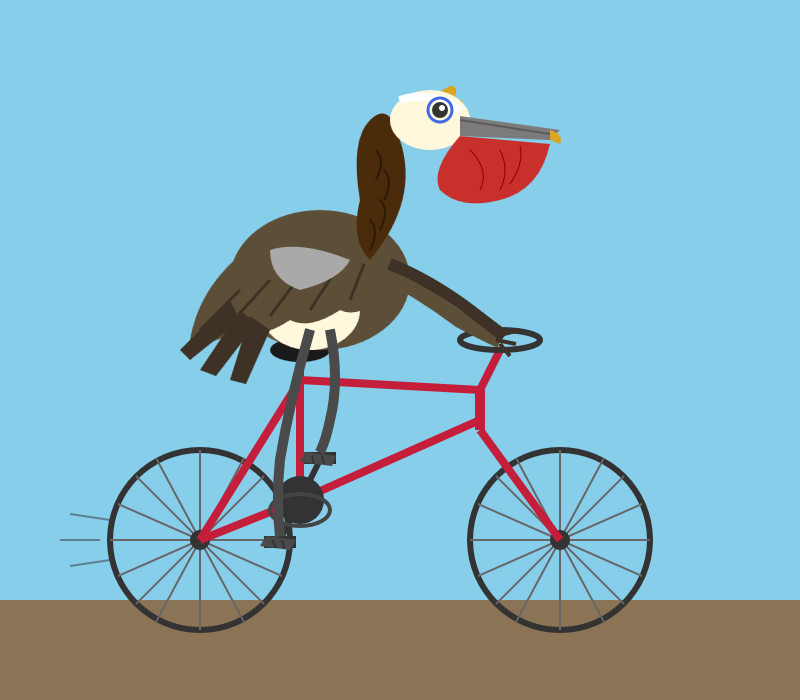
Anthropic released Claude Opus 4.5 this morning, which they call “best model in the world for coding, agents, and computer use”. This is their attempt to retake the crown for best coding model after significant challenges from OpenAI’s GPT-5.1-Codex-Max and Google’s Gemini 3, both released within the past week!
[... 1,120 words]sqlite-utils 4.0a1 has several (minor) backwards incompatible changes
I released a new alpha version of sqlite-utils last night—the 128th release of that package since I started building it back in 2018.
[... 1,049 words]Olmo 3 is a fully open LLM
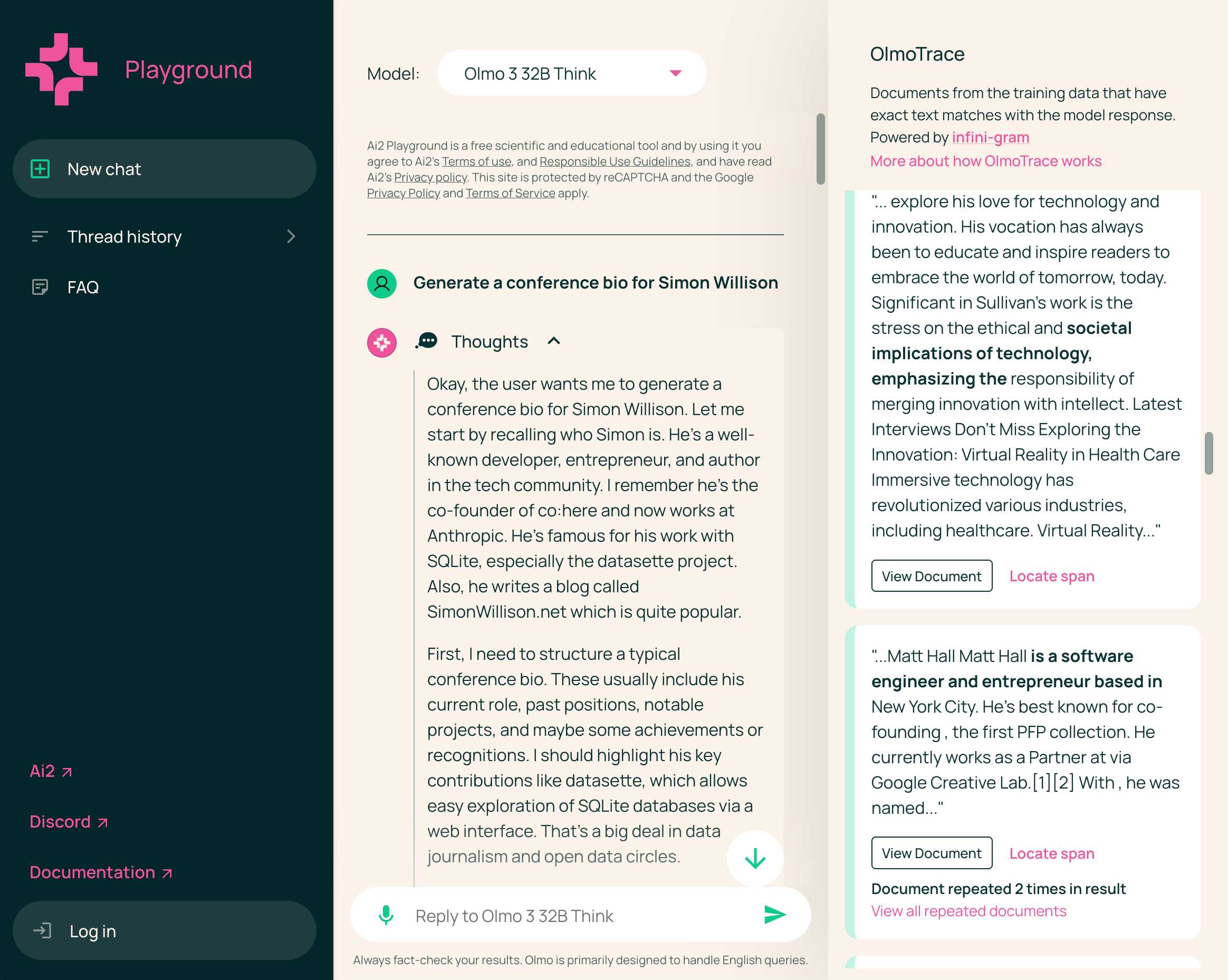
Olmo is the LLM series from Ai2—the Allen institute for AI. Unlike most open weight models these are notable for including the full training data, training process and checkpoints along with those releases.
[... 1,834 words]Nano Banana Pro aka gemini-3-pro-image-preview is the best available image generation model
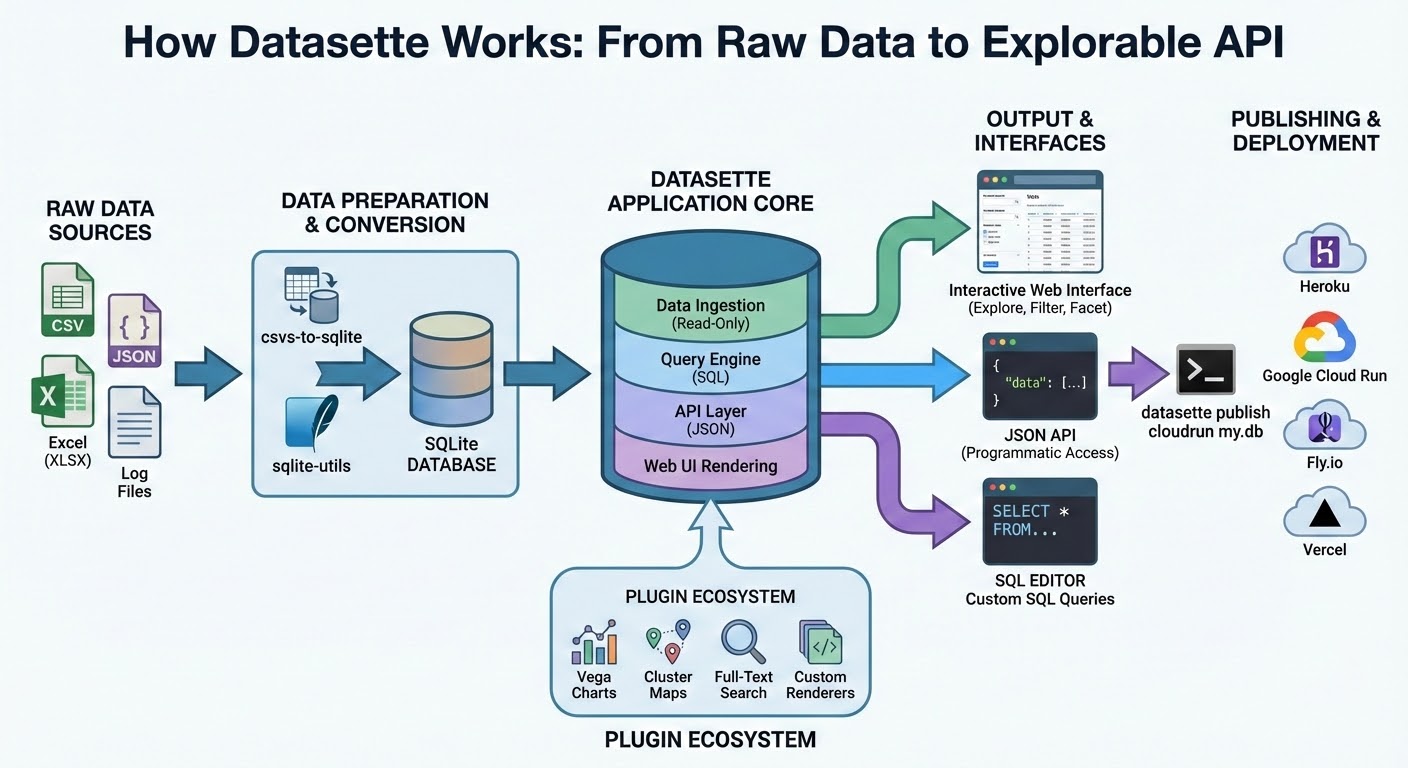
Hot on the heels of Tuesday’s Gemini 3 Pro release, today it’s Nano Banana Pro, also known as Gemini 3 Pro Image. I’ve had a few days of preview access and this is an astonishingly capable image generation model.
[... 1,641 words]How I automate my Substack newsletter with content from my blog

I sent out my weekly-ish Substack newsletter this morning and took the opportunity to record a YouTube video demonstrating my process and describing the different components that make it work. There’s a lot of digital duct tape involved, taking the content from Django+Heroku+PostgreSQL to GitHub Actions to SQLite+Datasette+Fly.io to JavaScript+Observable and finally to Substack.
[... 1,345 words]Trying out Gemini 3 Pro with audio transcription and a new pelican benchmark

Google released Gemini 3 Pro today. Here’s the announcement from Sundar Pichai, Demis Hassabis, and Koray Kavukcuoglu, their developer blog announcement from Logan Kilpatrick, the Gemini 3 Pro Model Card, and their collection of 11 more articles. It’s a big release!
[... 2,476 words]What happens if AI labs train for pelicans riding bicycles?

Almost every time I share a new example of an SVG of a pelican riding a bicycle a variant of this question pops up: how do you know the labs aren’t training for your benchmark?
[... 325 words]Reverse engineering Codex CLI to get GPT-5-Codex-Mini to draw me a pelican

OpenAI partially released a new model yesterday called GPT-5-Codex-Mini, which they describe as "a more compact and cost-efficient version of GPT-5-Codex". It’s currently only available via their Codex CLI tool and VS Code extension, with proper API access "coming soon". I decided to use Codex to reverse engineer the Codex CLI tool and give me the ability to prompt the new model directly.
[... 1,774 words]Video + notes on upgrading a Datasette plugin for the latest 1.0 alpha, with help from uv and OpenAI Codex CLI
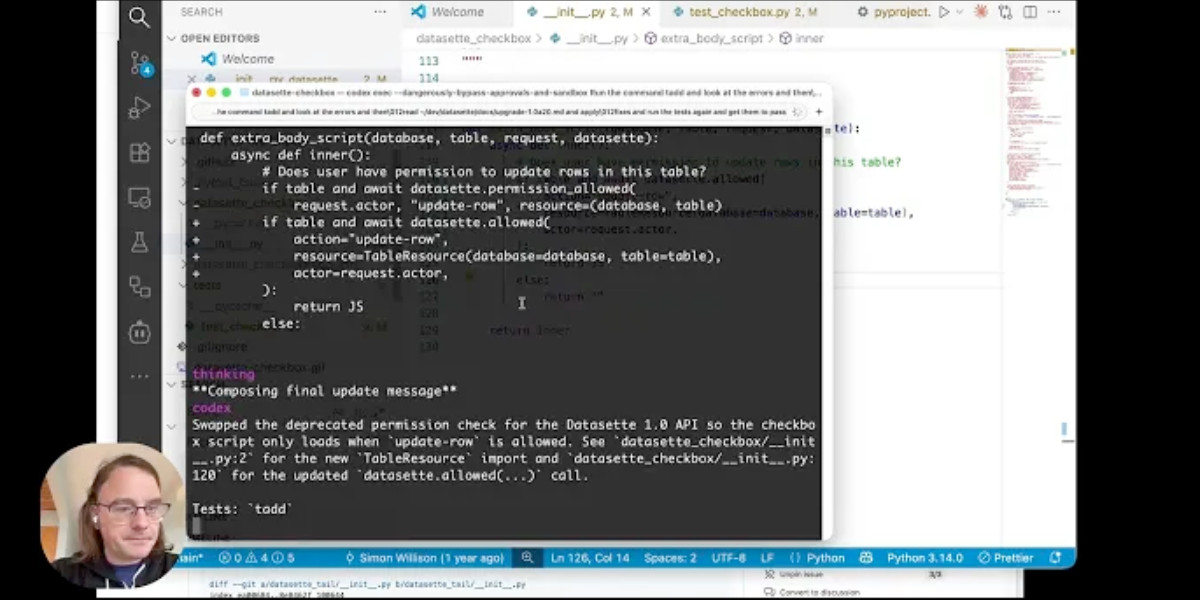
I’m upgrading various plugins for compatibility with the new Datasette 1.0a20 alpha release and I decided to record a video of the process. This post accompanies that video with detailed additional notes.
[... 1,094 words]Code research projects with async coding agents like Claude Code and Codex
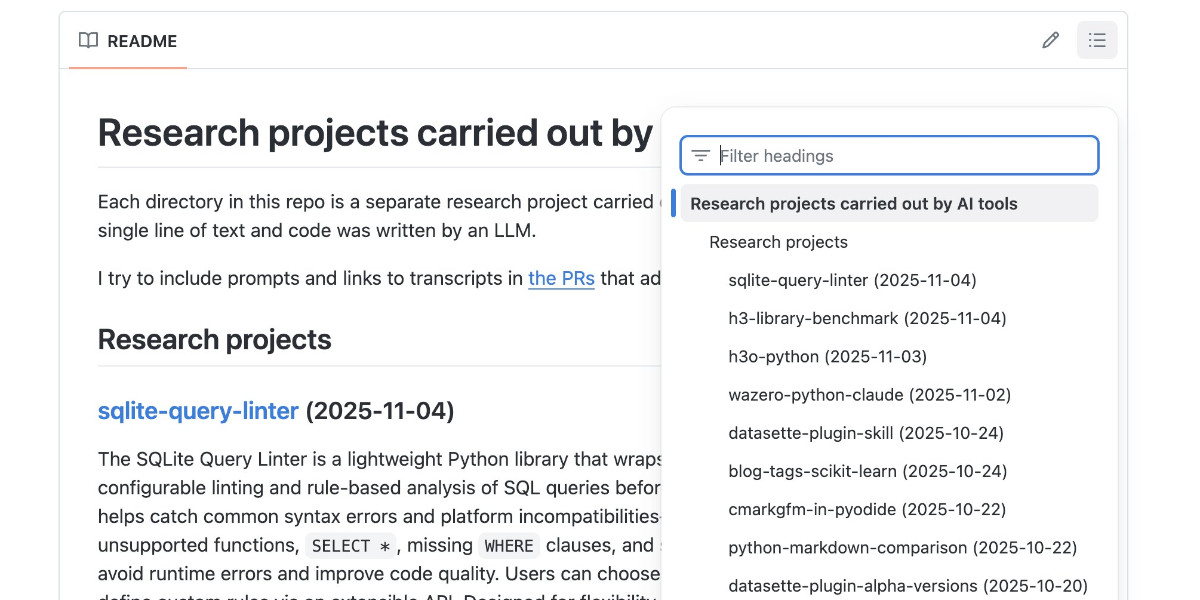
I’ve been experimenting with a pattern for LLM usage recently that’s working out really well: asynchronous code research tasks. Pick a research question, spin up an asynchronous coding agent and let it go and run some experiments and report back when it’s done.
[... 2,017 words]A new SQL-powered permissions system in Datasette 1.0a20
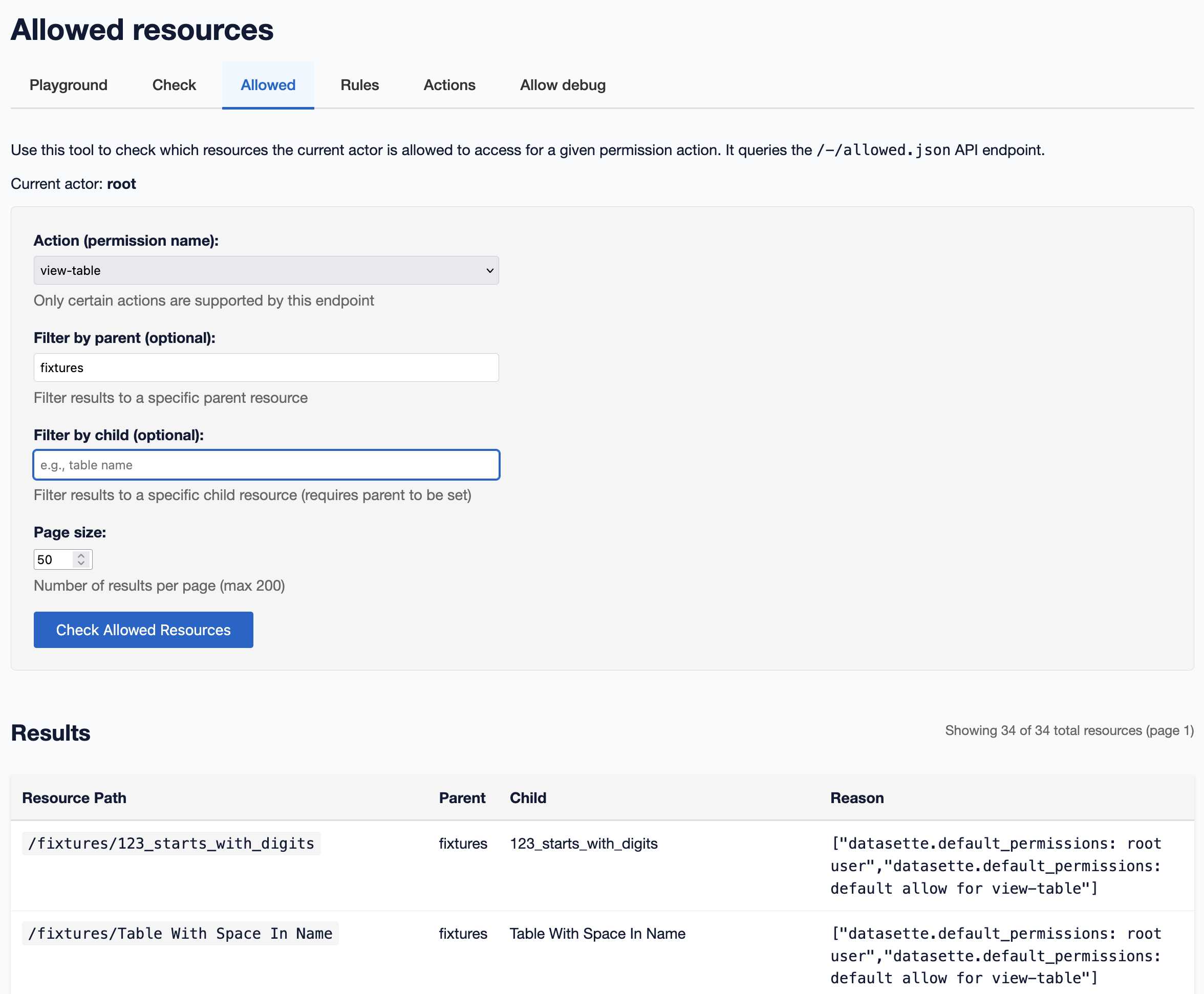
Datasette 1.0a20 is out with the biggest breaking API change on the road to 1.0, improving how Datasette’s permissions system works by migrating permission logic to SQL running in SQLite. This release involved 163 commits, with 10,660 additions and 1,825 deletions, most of which was written with the help of Claude Code.
[... 2,750 words]New prompt injection papers: Agents Rule of Two and The Attacker Moves Second
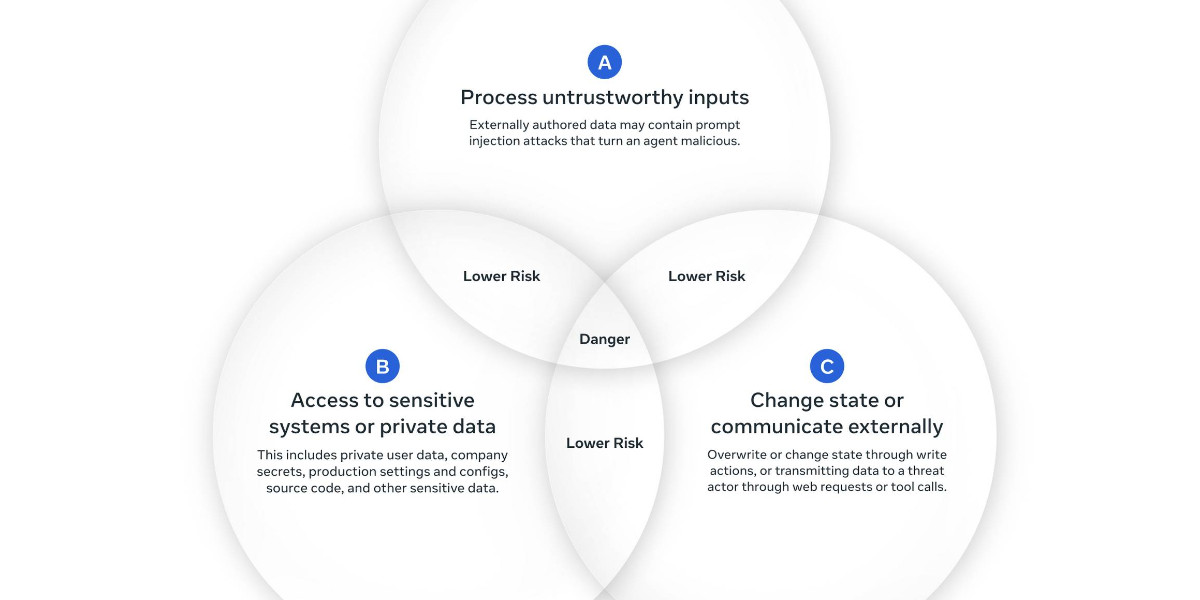
Two interesting new papers regarding LLM security and prompt injection came to my attention this weekend.
[... 1,433 words]Hacking the WiFi-enabled color screen GitHub Universe conference badge

I’m at GitHub Universe this week (thanks to a free ticket from Microsoft). Yesterday I picked up my conference badge... which incorporates a full Raspberry Pi Raspberry Pi Pico microcontroller with a battery, color screen, WiFi and bluetooth.
Video: Building a tool to copy-paste share terminal sessions using Claude Code for web
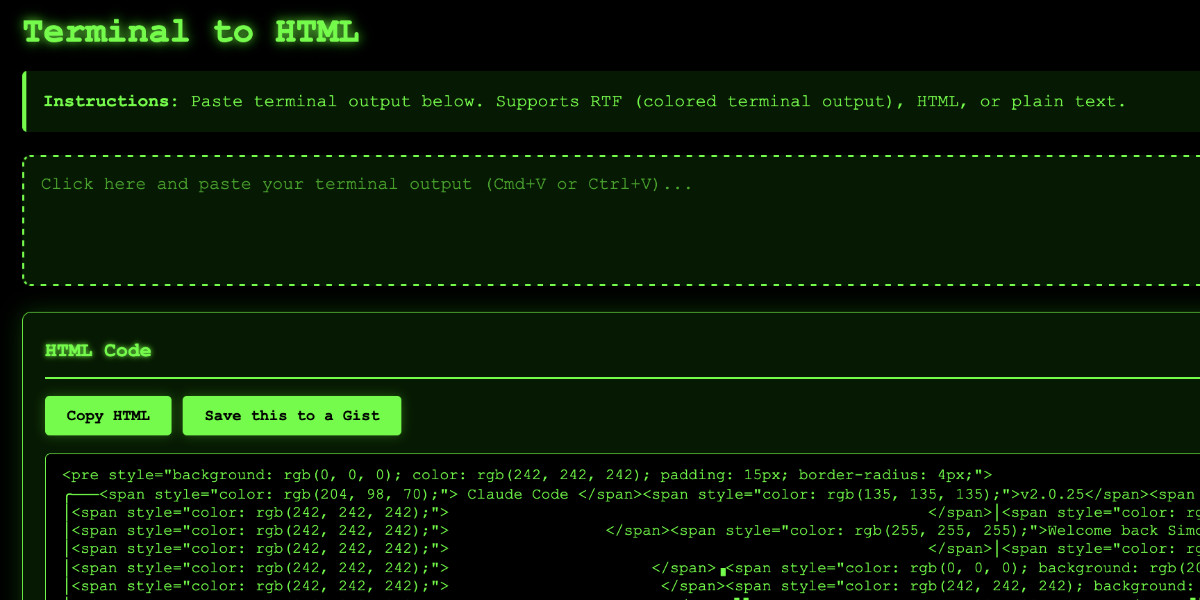
This afternoon I was manually converting a terminal session into a shared HTML file for the umpteenth time when I decided to reduce the friction by building a custom tool for it—and on the spur of the moment I fired up Descript to record the process. The result is this new 11 minute YouTube video showing my workflow for vibe-coding simple tools from start to finish.
[... 1,338 words]Dane Stuckey (OpenAI CISO) on prompt injection risks for ChatGPT Atlas
My biggest complaint about the launch of the ChatGPT Atlas browser the other day was the lack of details on how OpenAI are addressing prompt injection attacks. The launch post mostly punted that question to the System Card for their “ChatGPT agent” browser automation feature from July. Since this was my single biggest question about Atlas I was disappointed not to see it addressed more directly.
[... 1,199 words]Living dangerously with Claude
I gave a talk last night at Claude Code Anonymous in San Francisco, the unofficial meetup for coding agent enthusiasts. I decided to talk about a dichotomy I’ve been struggling with recently. On the one hand I’m getting enormous value from running coding agents with as few restrictions as possible. On the other hand I’m deeply concerned by the risks that accompany that freedom.
[... 2,208 words]Claude Code for web—a new asynchronous coding agent from Anthropic
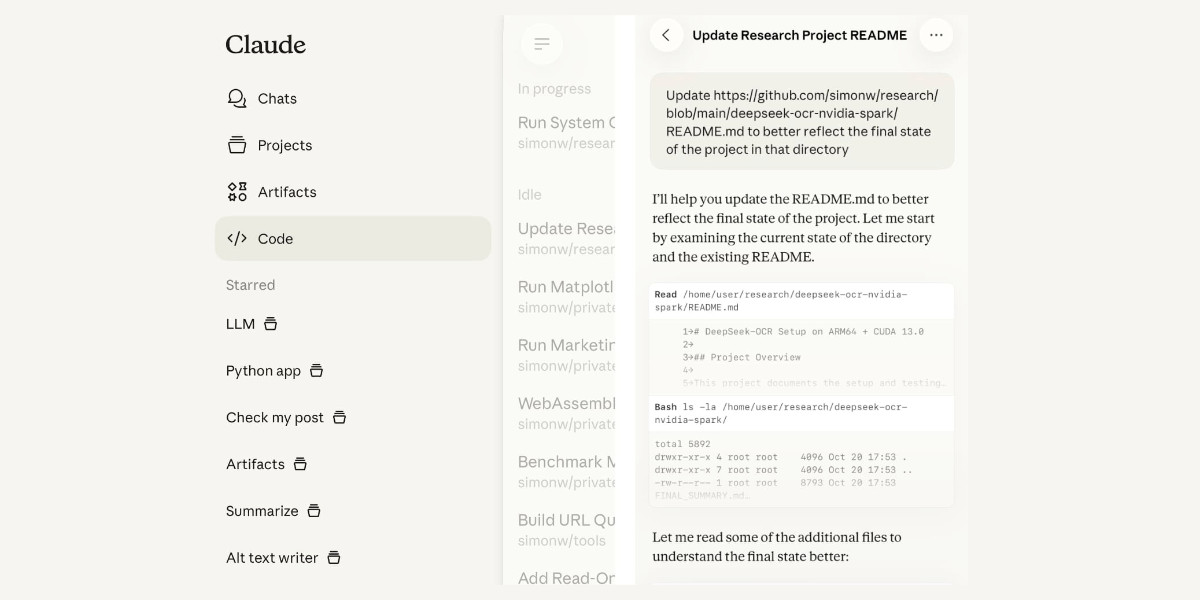
Anthropic launched Claude Code for web this morning. It’s an asynchronous coding agent—their answer to OpenAI’s Codex Cloud and Google’s Jules, and has a very similar shape. I had preview access over the weekend and I’ve already seen some very promising results from it.
[... 1,434 words]Getting DeepSeek-OCR working on an NVIDIA Spark via brute force using Claude Code
DeepSeek released a new model yesterday: DeepSeek-OCR, a 6.6GB model fine-tuned specifically for OCR. They released it as model weights that run using PyTorch and CUDA. I got it running on the NVIDIA Spark by having Claude Code effectively brute force the challenge of getting it working on that particular hardware.
[... 1,971 words]Claude Skills are awesome, maybe a bigger deal than MCP

Anthropic this morning introduced Claude Skills, a new pattern for making new abilities available to their models:
[... 1,864 words]NVIDIA DGX Spark: great hardware, early days for the ecosystem
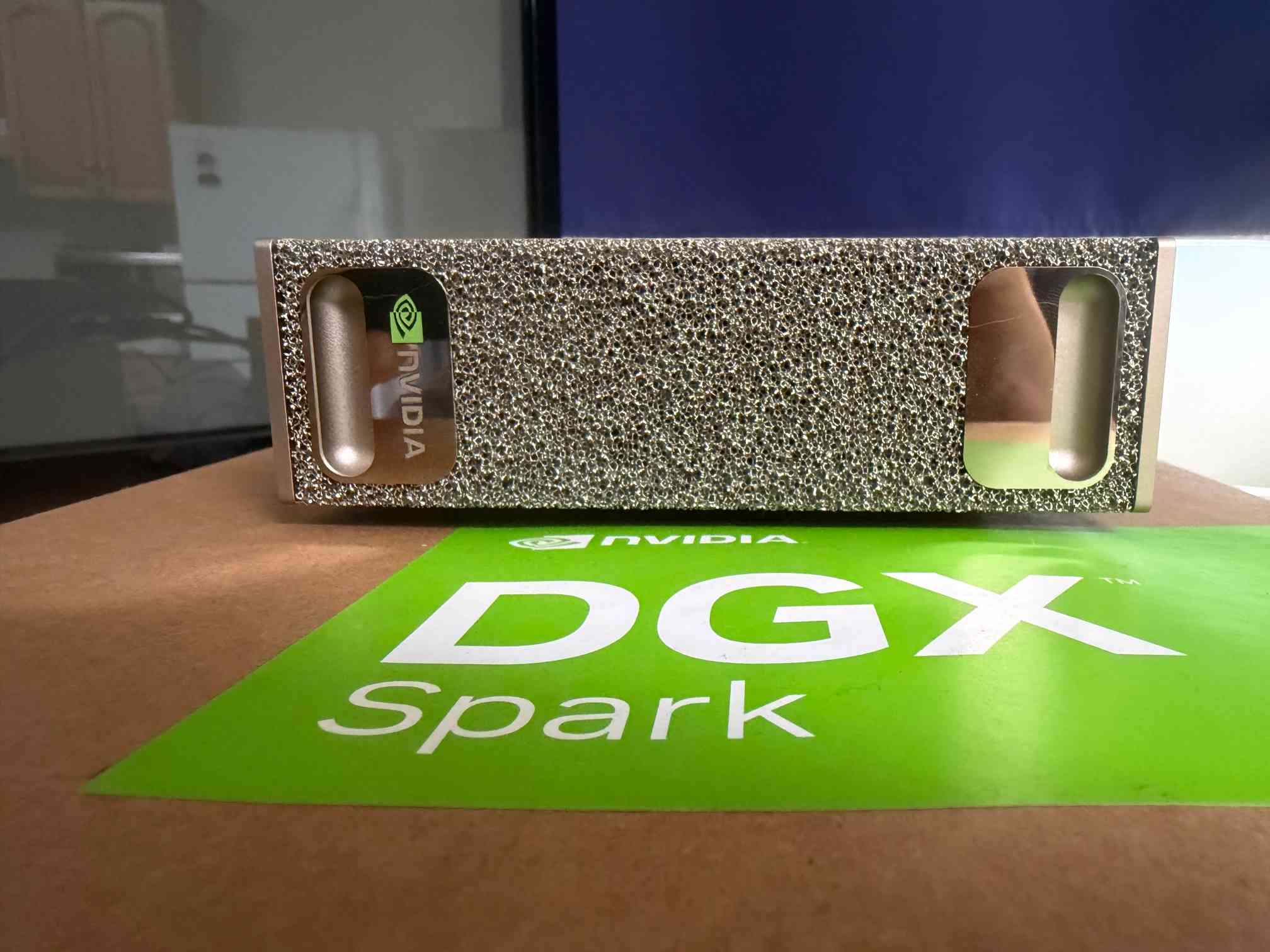
NVIDIA sent me a preview unit of their new DGX Spark desktop “AI supercomputer”. I’ve never had hardware to review before! You can consider this my first ever sponsored post if you like, but they did not pay me any cash and aside from an embargo date they did not request (nor would I grant) any editorial input into what I write about the device.
[... 1,846 words]Claude can write complete Datasette plugins now
This isn’t necessarily surprising, but it’s worth noting anyway. Claude Sonnet 4.5 is capable of building a full Datasette plugin now.
[... 1,296 words]Vibe engineering
I feel like vibe coding is pretty well established now as covering the fast, loose and irresponsible way of building software with AI—entirely prompt-driven, and with no attention paid to how the code actually works. This leaves us with a terminology gap: what should we call the other end of the spectrum, where seasoned professionals accelerate their work with LLMs while staying proudly and confidently accountable for the software they produce?
[... 1,347 words]OpenAI DevDay 2025 live blog
I’m at OpenAI DevDay in Fort Mason, San Francisco today. As I did last year, I’m going to be live blogging the announcements from the kenote. Unlike last year, this year there’s a livestream.
[... 57 words]Embracing the parallel coding agent lifestyle
For a while now I’ve been hearing from engineers who run multiple coding agents at once—firing up several Claude Code or Codex CLI instances at the same time, sometimes in the same repo, sometimes against multiple checkouts or git worktrees.
[... 1,275 words]Designing agentic loops
Coding agents like Anthropic’s Claude Code and OpenAI’s Codex CLI represent a genuine step change in how useful LLMs can be for producing working code. These agents can now directly exercise the code they are writing, correct errors, dig through existing implementation details, and even run experiments to find effective code solutions to problems.
[... 1,667 words]Claude Sonnet 4.5 is probably the “best coding model in the world” (at least for now)

Anthropic released Claude Sonnet 4.5 today, with a very bold set of claims:
[... 1,205 words]