Entries
Filters: Sorted by date
I think Anthropic and OpenAI have found product-market fit
Anthropic are strongly rumored to be about to have their first profitable quarter. Stories are circulating of companies surprised at how expensive their LLM bills are becoming from usage by their staff. I think this is because OpenAI and Anthropic have both found product-market fit.
[... 1,931 words]Notes on Pope Leo XIV’s encyclical on AI
Dropped this morning by the Vatican: Magnifica Humanitas of His Holiness Pope Leo XIV on Safeguarding the Human Person in the Time of Artificial Intelligence. This is a very interesting document. It’s some of the clearest writing I’ve seen on the ethics of integrating AI into modern society.
[... 1,865 words]Datasette Agent
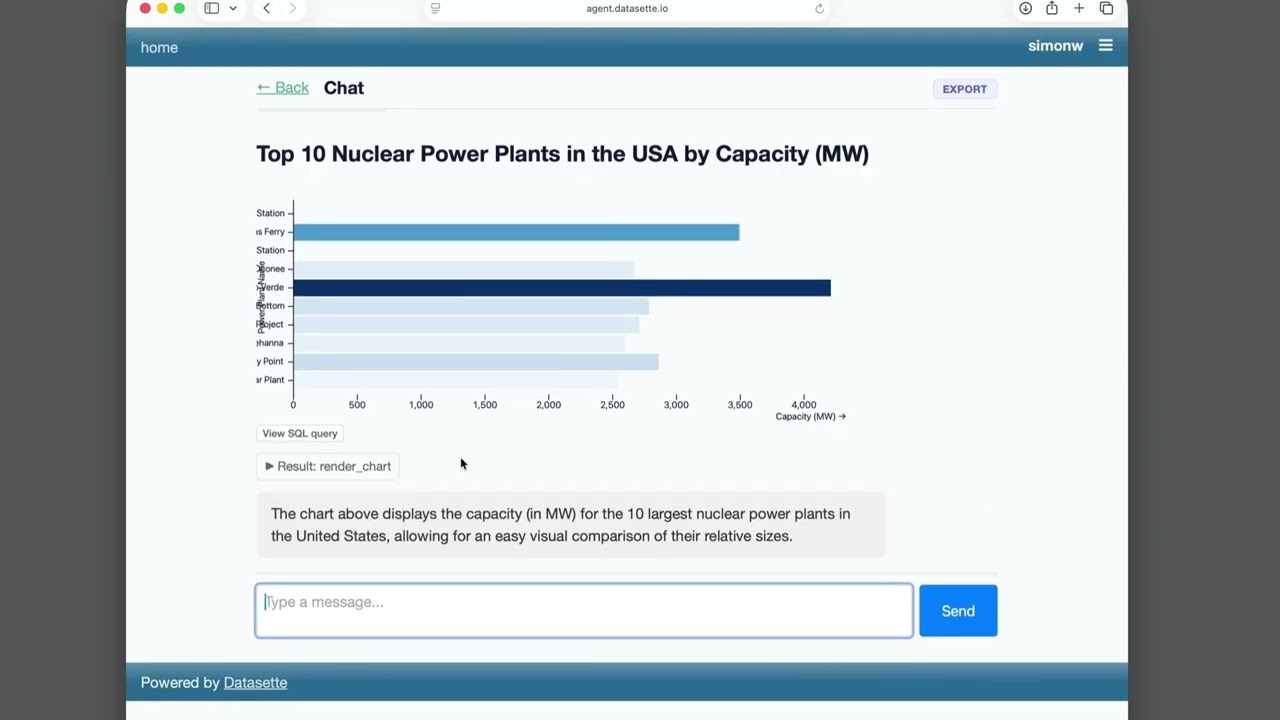
We just announced the first release of Datasette Agent, a new extensible AI assistant for Datasette. I’ve been working on my LLM Python library for just over three years now, and Datasette Agent represents the moment that LLM and Datasette finally come together. I’m really excited about it!
[... 659 words]Gemini 3.5 Flash: more expensive, but Google plan to use it for everything

Today at Google I/O, Google released Gemini 3.5 Flash. This one skipped the -preview modifier and went straight to general availability, and Google appear to be using it for a whole lot of their key products:
The last six months in LLMs in five minutes
I put together these annotated slides from my five minute lightning talk at PyCon US 2026, using the latest iteration of my annotated presentation tool.
[... 2,061 words]Notes on the xAI/Anthropic data center deal
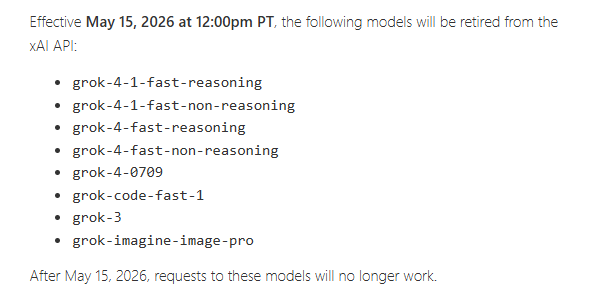
There weren’t a lot of big new announcements from Anthropic at yesterday’s Code w/ Claude event, but the biggest by far was the deal they’ve struck with SpaceX/xAI to use “all of the capacity of their Colossus data center”.
[... 601 words]Live blog: Code w/ Claude 2026
I’m at Anthropic’s Code w/ Claude event today. Here’s my live blog of the morning keynote sessions.
Vibe coding and agentic engineering are getting closer than I’d like
I recently talked with Joseph Ruscio about AI coding tools for Heavybit’s High Leverage podcast: Ep. #9, The AI Coding Paradigm Shift with Simon Willison. Here are some of my highlights, including my disturbing realization that vibe coding and agentic engineering have started to converge in my own work.
[... 1,542 words]LLM 0.32a0 is a major backwards-compatible refactor
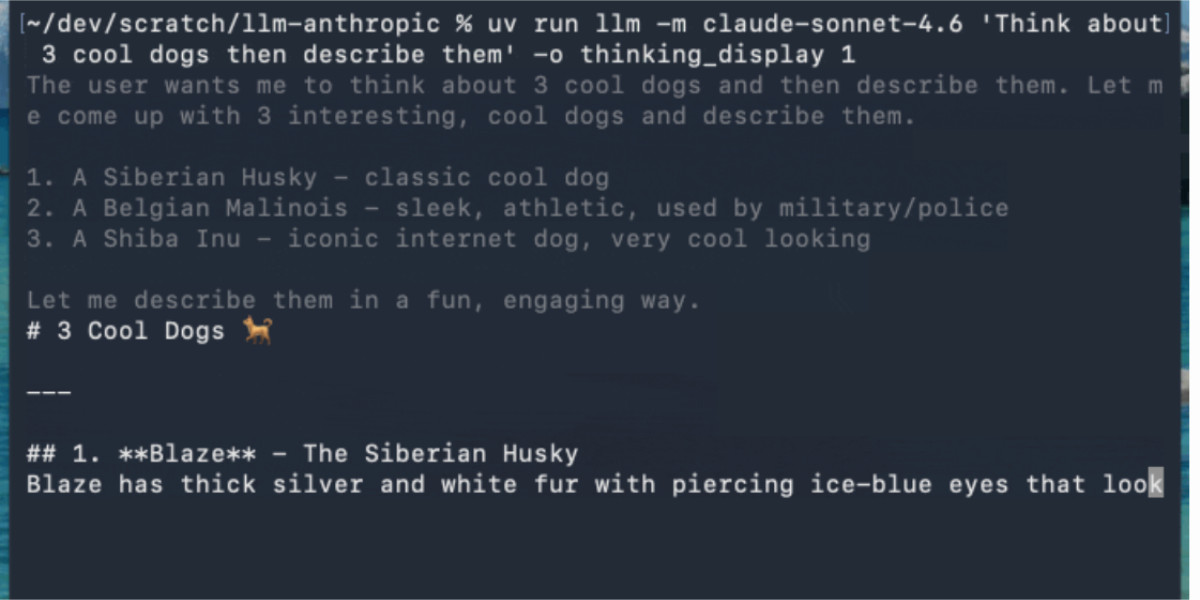
I just released LLM 0.32a0, an alpha release of my LLM Python library and CLI tool for accessing LLMs, with some consequential changes that I’ve been working towards for quite a while.
[... 1,874 words]Tracking the history of the now-deceased OpenAI Microsoft AGI clause
For many years, Microsoft and OpenAI’s relationship has included a weird clause saying that, should AGI be achieved, Microsoft’s commercial IP rights to OpenAI’s technology would be null and void. That clause appeared to end today. I decided to try and track its expression over time on openai.com.
[... 691 words]DeepSeek V4—almost on the frontier, a fraction of the price

Chinese AI lab DeepSeek’s last model release was V3.2 (and V3.2 Speciale) last December. They just dropped the first of their hotly anticipated V4 series in the shape of two preview models, DeepSeek-V4-Pro and DeepSeek-V4-Flash.
[... 703 words]Extract PDF text in your browser with LiteParse for the web
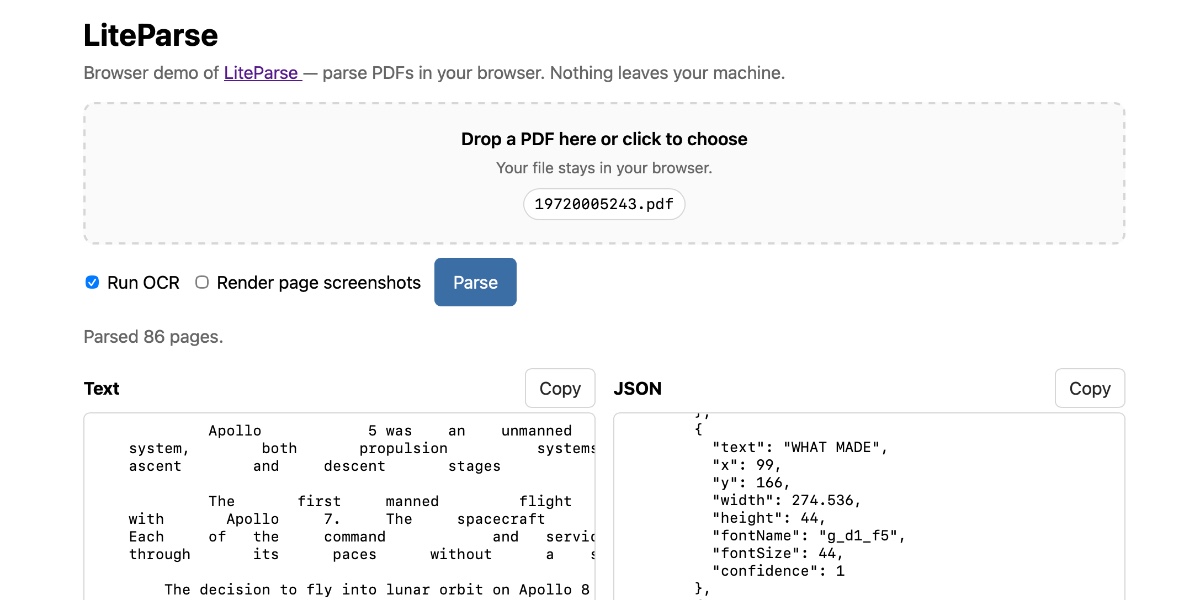
LlamaIndex have a most excellent open source project called LiteParse, which provides a Node.js CLI tool for extracting text from PDFs. I got a version of LiteParse working entirely in the browser, using most of the same libraries that LiteParse uses to run in Node.js.
[... 2,089 words]A pelican for GPT-5.5 via the semi-official Codex backdoor API

GPT-5.5 is out. It’s available in OpenAI Codex and is rolling out to paid ChatGPT subscribers. I’ve had some preview access and found it to be a fast, effective and highly capable model. As is usually the case these days, it’s hard to put into words what’s good about it—I ask it to build things and it builds exactly what I ask for!
[... 884 words]Is Claude Code going to cost $100/month? Probably not—it’s all very confusing
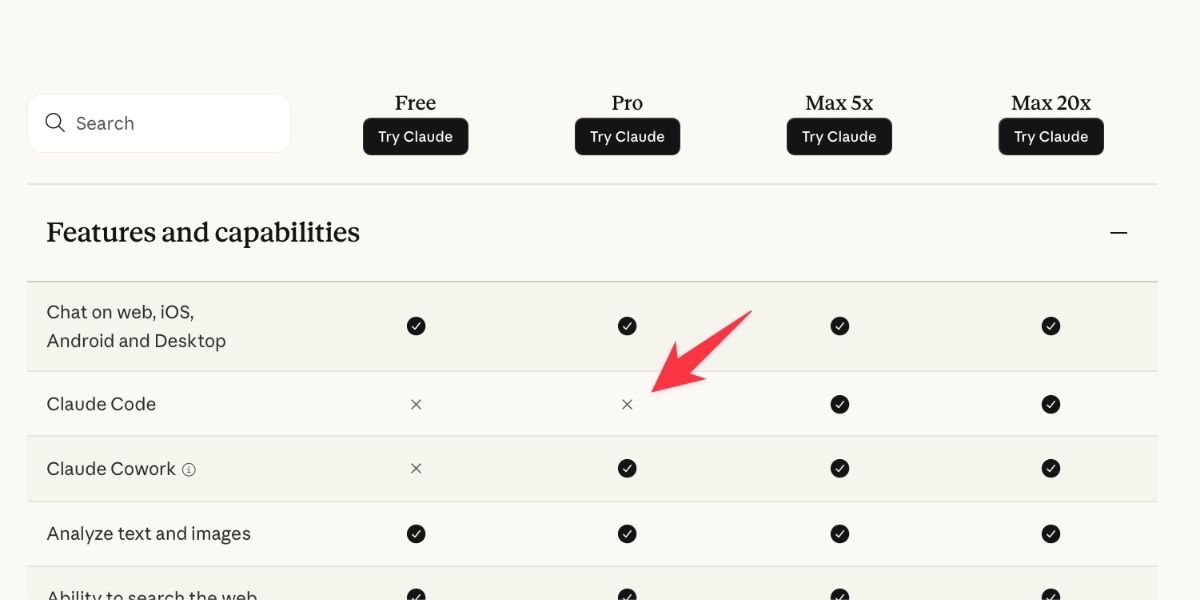
Anthropic today quietly (as in silently, no announcement anywhere at all) updated their claude.com/pricing page (but not their Choosing a Claude plan page, which shows up first for me on Google) to add this tiny but significant detail (arrow is mine, and it’s already reverted):
[... 1,202 words]Where’s the raccoon with the ham radio? (ChatGPT Images 2.0)
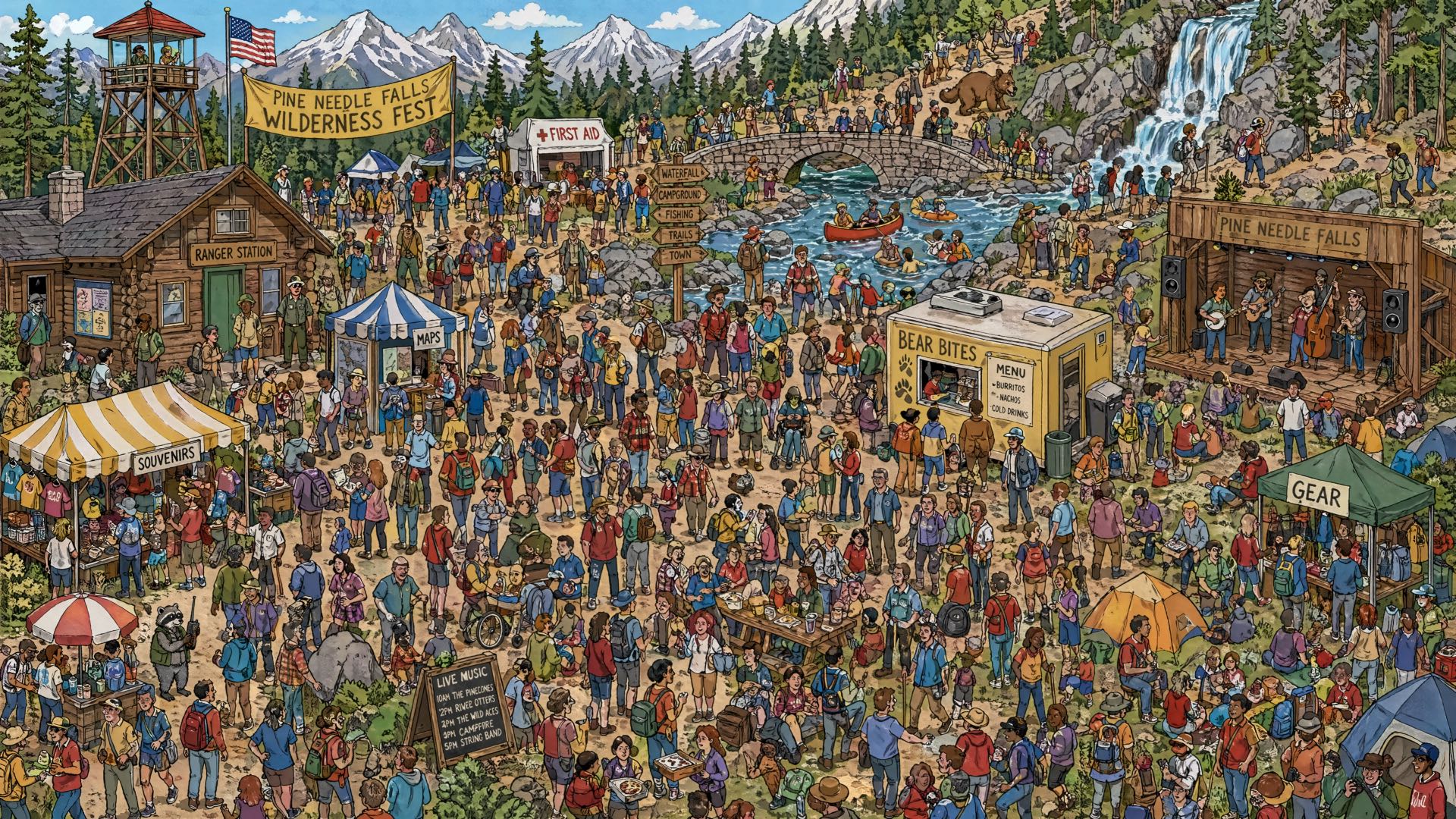
OpenAI released ChatGPT Images 2.0 today, their latest image generation model. On the livestream Sam Altman said that the leap from gpt-image-1 to gpt-image-2 was equivalent to jumping from GPT-3 to GPT-5. Here’s how I put it to the test.
[... 849 words]Changes in the system prompt between Claude Opus 4.6 and 4.7
Anthropic are the only major AI lab to publish the system prompts for their user-facing chat systems. Their system prompt archive now dates all the way back to Claude 3 in July 2024 and it’s always interesting to see how the system prompt evolves as they publish new models.
[... 1,024 words]Join us at PyCon US 2026 in Long Beach—we have new AI and security tracks this year

This year’s PyCon US is coming up next month from May 13th to May 19th, with the core conference talks from Friday 15th to Sunday 17th and tutorial and sprint days either side. It’s in Long Beach, California this year, the first time PyCon US has come to the West Coast since Portland, Oregon in 2017 and the first time in California since Santa Clara in 2013.
[... 606 words]Qwen3.6-35B-A3B on my laptop drew me a better pelican than Claude Opus 4.7
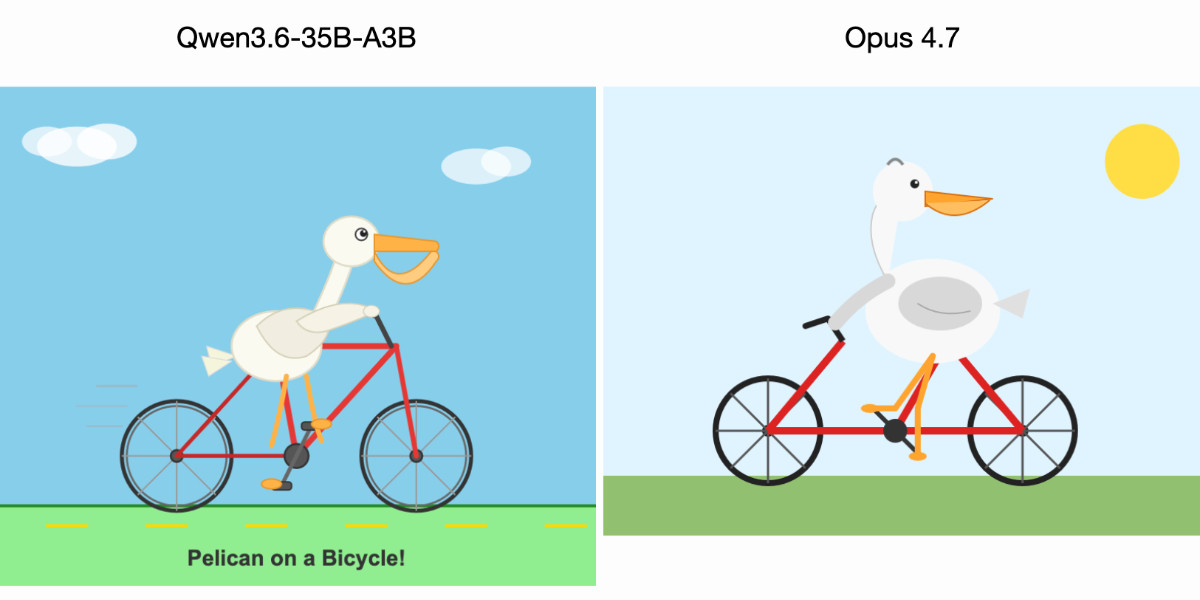
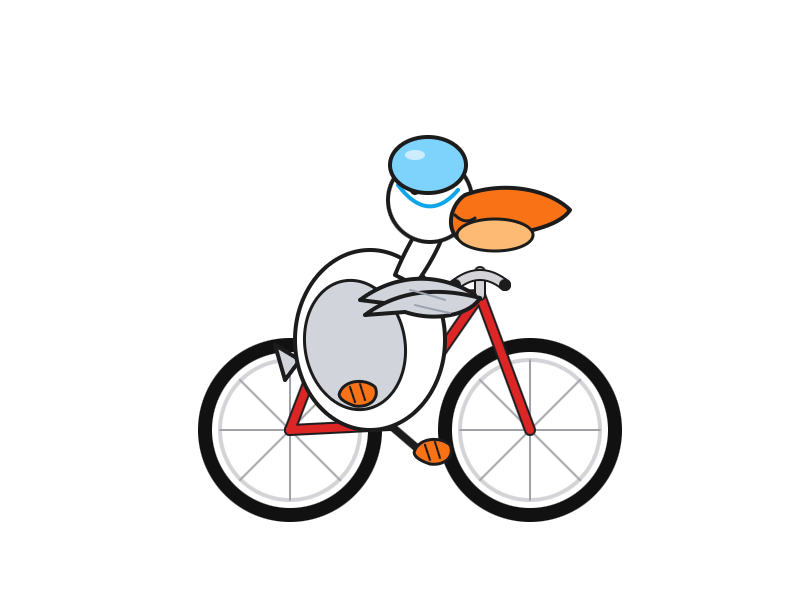
For anyone who has been (inadvisably) taking my pelican riding a bicycle benchmark seriously as a robust way to test models, here are pelicans from this morning’s two big model releases—Qwen3.6-35B-A3B from Alibaba and Claude Opus 4.7 from Anthropic.
[... 602 words]Meta’s new model is Muse Spark, and meta.ai chat has some interesting tools
Meta announced Muse Spark today, their first model release since Llama 4 almost exactly a year ago. It’s hosted, not open weights, and the API is currently “a private API preview to select users”, but you can try it out today on meta.ai (Facebook or Instagram login required).
[... 2,607 words]Anthropic’s Project Glasswing—restricting Claude Mythos to security researchers—sounds necessary to me
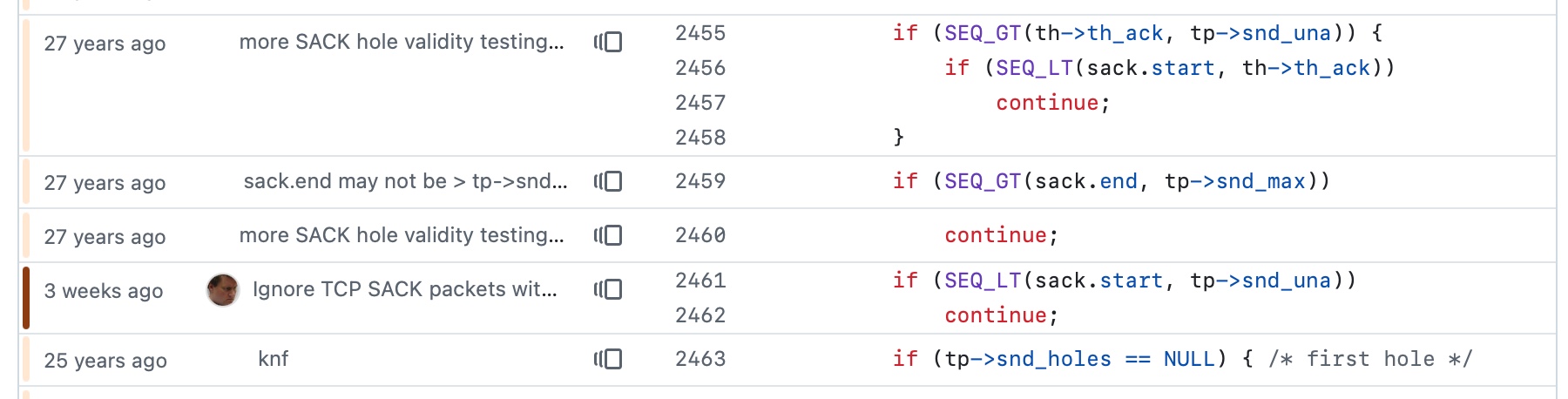
Anthropic didn’t release their latest model, Claude Mythos (system card PDF), today. They have instead made it available to a very restricted set of preview partners under their newly announced Project Glasswing.
[... 1,296 words]The Axios supply chain attack used individually targeted social engineering
The Axios team have published a full postmortem on the supply chain attack which resulted in a malware dependency going out in a release the other day, and it involved a sophisticated social engineering campaign targeting one of their maintainers directly. Here’s Jason Saayman’a description of how that worked:
[... 357 words]Highlights from my conversation about agentic engineering on Lenny’s Podcast
I was a guest on Lenny Rachitsky’s podcast, in a new episode titled An AI state of the union: We’ve passed the inflection point, dark factories are coming, and automation timelines. It’s available on YouTube, Spotify, and Apple Podcasts. Here are my highlights from our conversation, with relevant links.
[... 3,558 words]Mr. Chatterbox is a (weak) Victorian-era ethically trained model you can run on your own computer
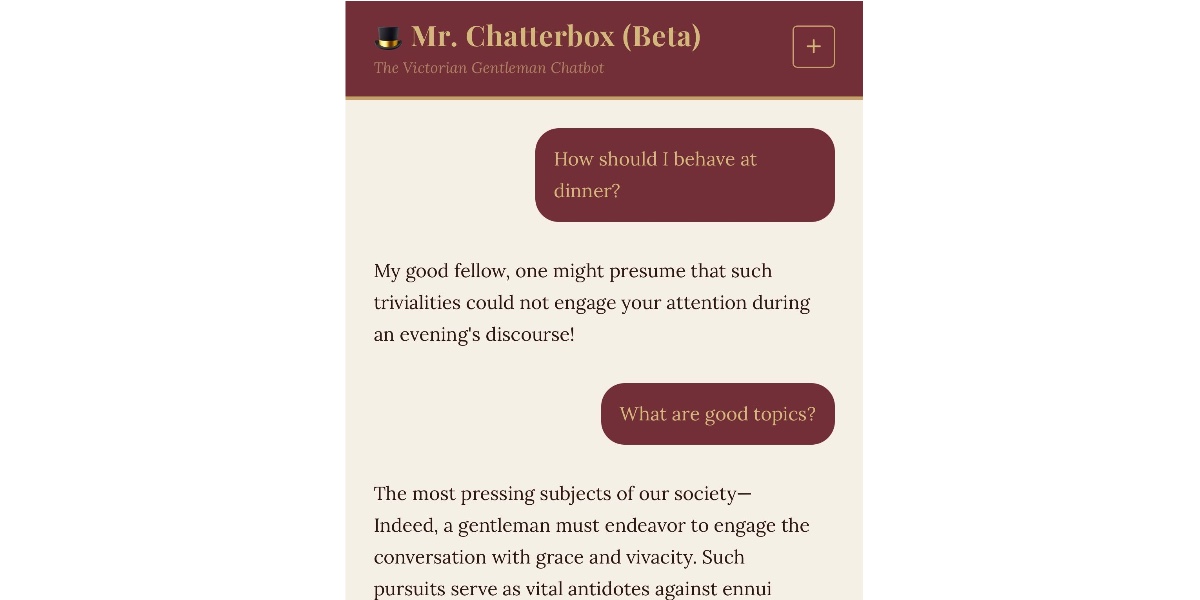
Trip Venturella released Mr. Chatterbox, a language model trained entirely on out-of-copyright text from the British Library. Here’s how he describes it in the model card:
[... 952 words]Vibe coding SwiftUI apps is a lot of fun
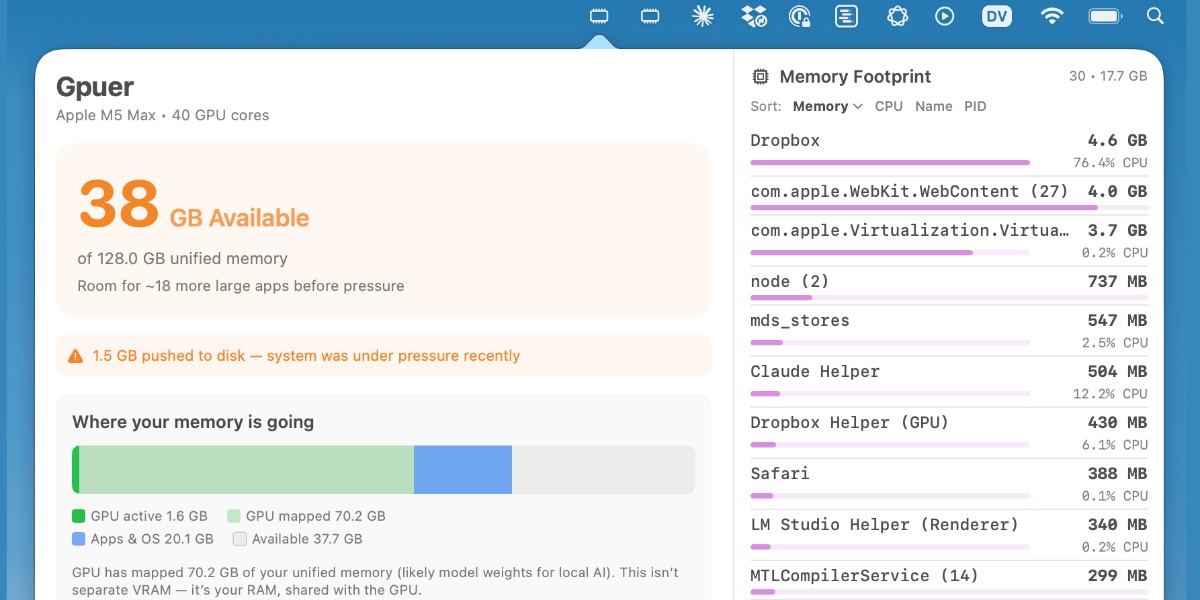
I have a new laptop—a 128GB M5 MacBook Pro, which early impressions show to be very capable for running good local LLMs. I got frustrated with Activity Monitor and decided to vibe code up some alternative tools for monitoring performance and I’m very happy with the results.
[... 1,195 words]Experimenting with Starlette 1.0 with Claude skills
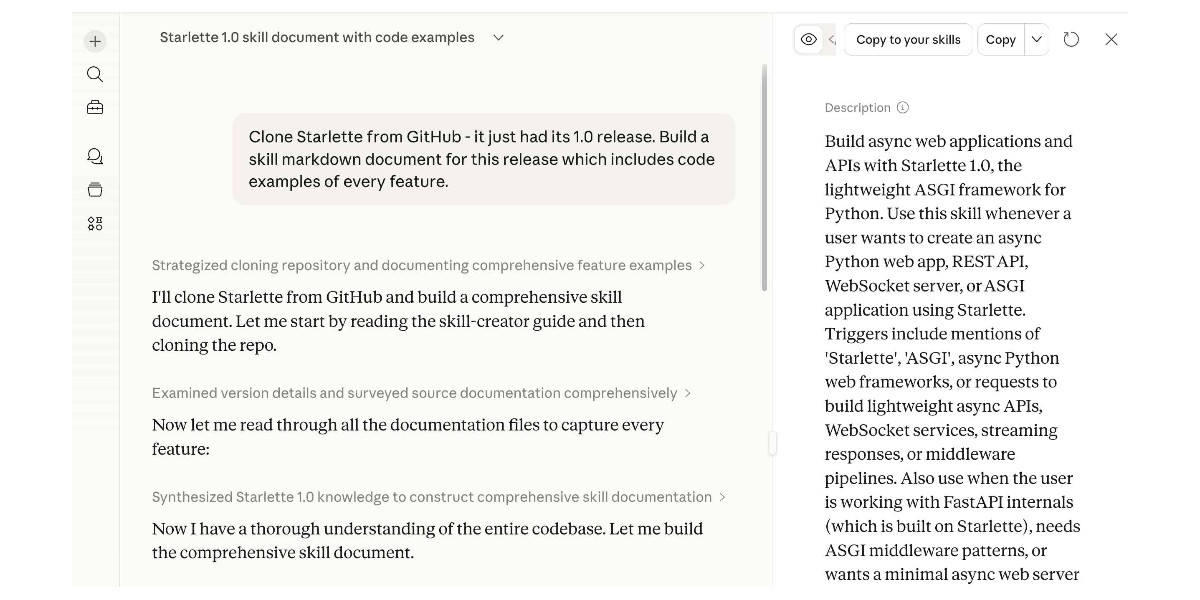
Starlette 1.0 is out! This is a really big deal. I think Starlette may be the Python framework with the most usage compared to its relatively low brand recognition because Starlette is the foundation of FastAPI, which has attracted a huge amount of buzz that seems to have overshadowed Starlette itself.
[... 1,194 words]Profiling Hacker News users based on their comments
Here’s a mildly dystopian prompt I’ve been experimenting with recently: “Profile this user”, accompanied by a copy of their last 1,000 comments on Hacker News.
[... 976 words]Thoughts on OpenAI acquiring Astral and uv/ruff/ty
The big news this morning: Astral to join OpenAI (on the Astral blog) and OpenAI to acquire Astral (the OpenAI announcement). Astral are the company behind uv, ruff, and ty—three increasingly load-bearing open source projects in the Python ecosystem. I have thoughts!
[... 1,378 words]GPT-5.4 mini and GPT-5.4 nano, which can describe 76,000 photos for $52
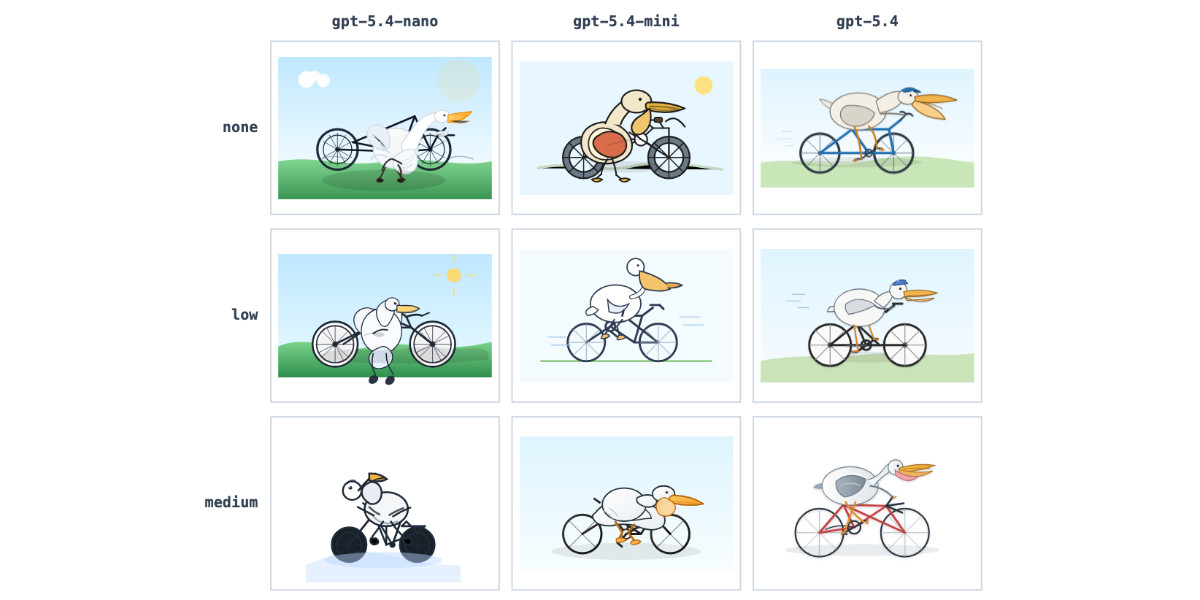
OpenAI today: Introducing GPT‑5.4 mini and nano. These models join GPT-5.4 which was released two weeks ago.
[... 719 words]My fireside chat about agentic engineering at the Pragmatic Summit
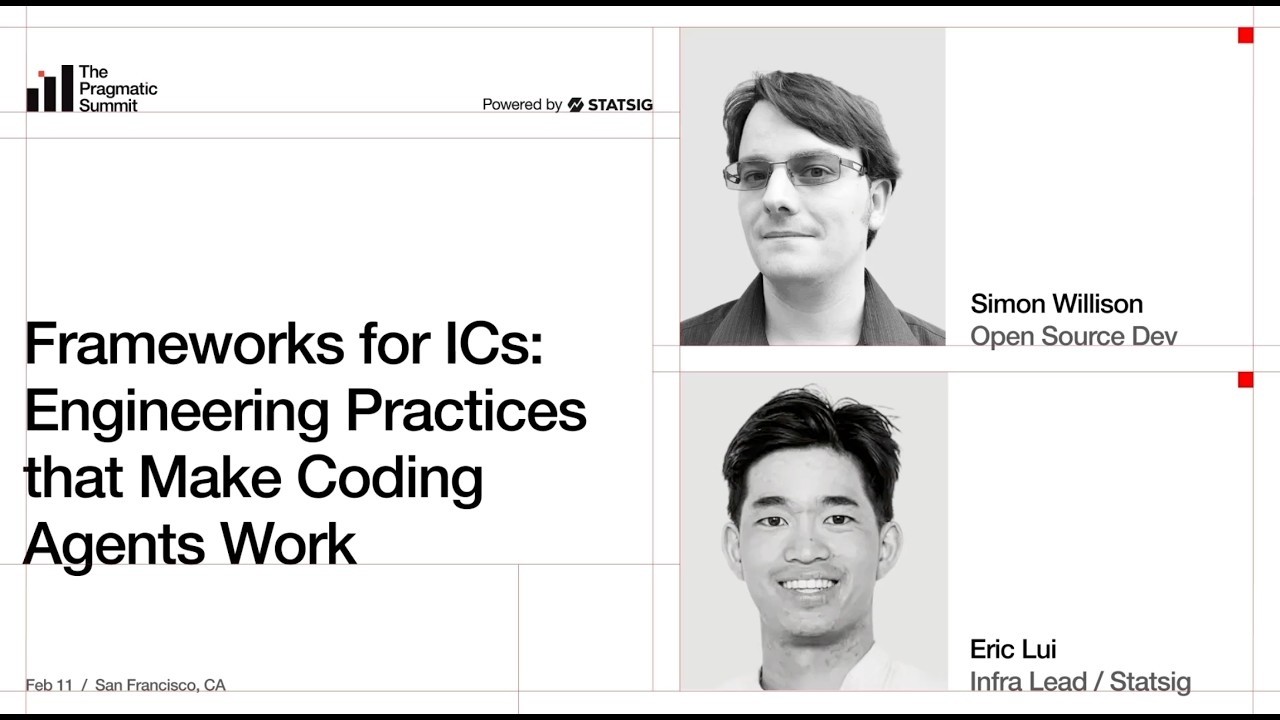
I was a speaker last month at the Pragmatic Summit in San Francisco, where I participated in a fireside chat session about Agentic Engineering hosted by Eric Lui from Statsig.
[... 3,350 words]Perhaps not Boring Technology after all
A recurring concern I’ve seen regarding LLMs for programming is that they will push our technology choices towards the tools that are best represented in their training data, making it harder for new, better tools to break through the noise.
[... 391 words]