Entries
Filters: Sorted by date
Claude Haiku 5.5

As previously promised, here’s Anthropic’s new fast, low cost model: Introducing Claude Haiku 5.5.
[... 864 words]We’re going to need default hard budget caps on pretty much everything
Here’s a product feature which the world is going to need a whole lot more of over the coming months and years: default hard budget caps. I’m talking about the feature of pay-by-usage services and APIs that lets you say “after $X/month, cut this thing off and return errors”. These need to be hard limits. Soft caps, “after $X/month, send me a warning email”, will not cut it.
[... 505 words]OpenAI DevDay 2026 live blog
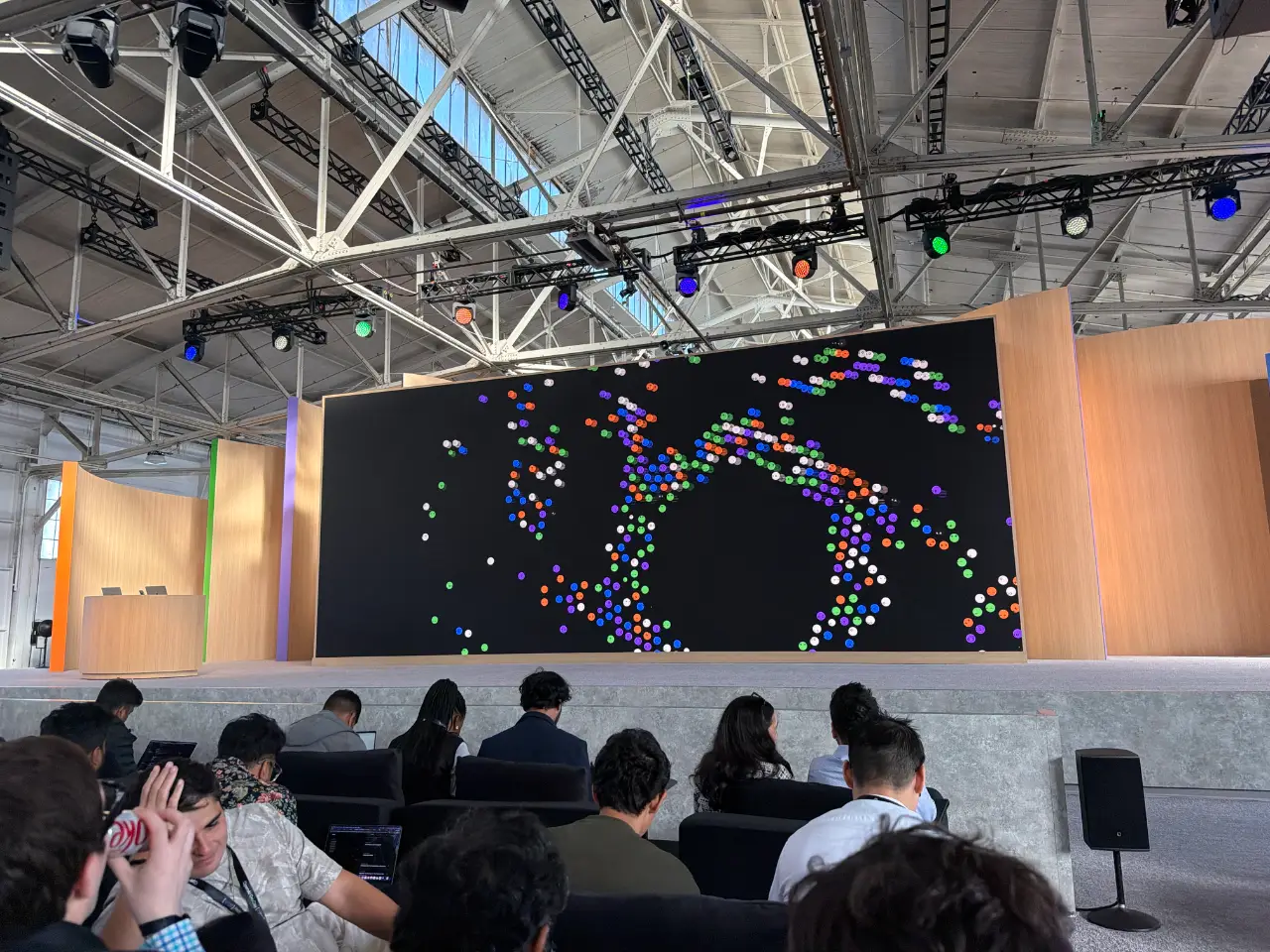
I’m at OpenAI DevDay today, in Fort Mason, San Francisco. Same as last year I’ll be live blogging the keynote and some other notes during the day.
[... 45 words]2026 in LLMs (so far)
On Friday I gave the closing keynote at the WeAreDevelopers World Congress North America in San Jose. I tied together the key trends from the past year into a chronological exploration of everything that happened in 2026. The video is on YouTube; here are my annotated slides and notes to accompany the talk.
[... 7,771 words]Claude Opus 5.5, GPT-6 Sol, GPT-6 Luna, and a new price war
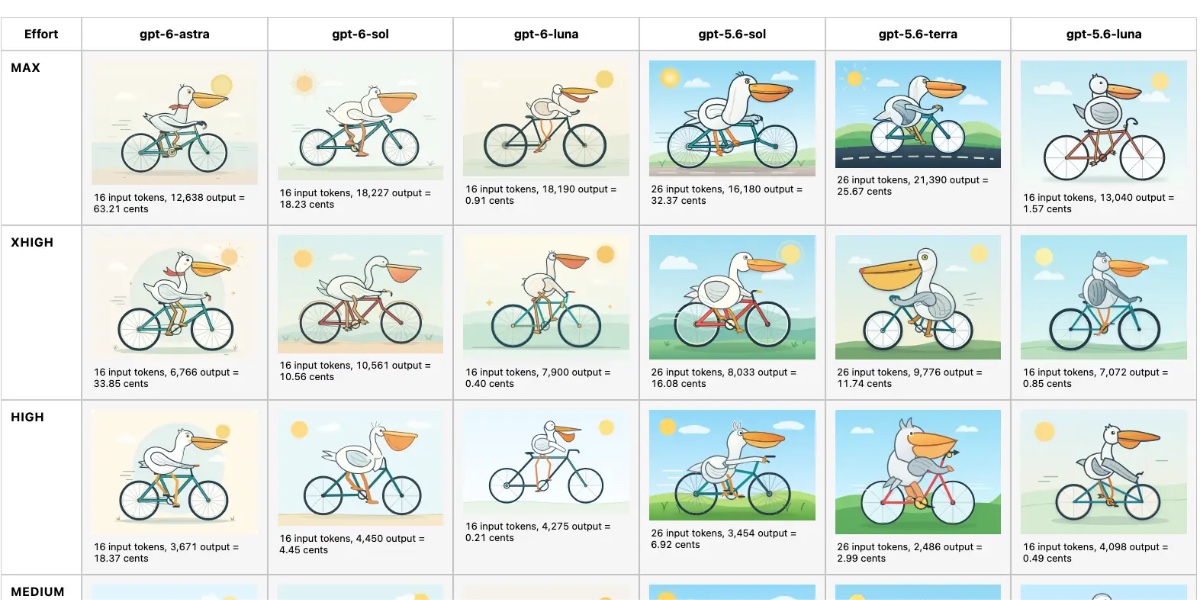
Yesterday was Grok 4.7 (pelicans) and MiMo v2.6 Flash/Pro (more pelicans). Today Anthropic released Claude Opus 5.5, and around an hour later OpenAI released GPT-6 Sol and GPT-6 Luna. It’s going to take a while to get a good read on all of these new models, but here are my impressions so far.
[... 1,153 words]Jev introduces a new shape of LLM—System One, aka Decision Models
Last week TypeSafe AI unveiled Jev, their first example of a new category of model that they are calling “System One models” (I’m with Maggie Appleton, I think “decision models” is a better name for these). Jev is an interesting variant on the usual LLM format: it still accepts text inputs, but instead of text output it returns floating point numbers corresponding to categories, yes/no questions, ratings, and associated confidence scores.
[... 988 words]Generating running routes with GPT-6 Astra and ChatGPT Work

Here’s a neat thing I had ChatGPT Work with GPT-6 Astra (Max) do this morning:
[... 632 words]OpenAI agents attacked RubyGems back in May
OpenAI agents carried out an undisclosed attack on RubyGems is a new bombshell report from Spencer Kitts, Thomas Larsen, and Sydney Von Arx—three of the four authors of the report on the agent attack on disused wikis (previously) last week.
[... 584 words]Some thoughts on the Navier–Stokes Millennium Prize Problem
On the Navier–Stokes Millennium Prize Problem introduces an impressive result from OpenAI, who used an unreleased model to produce a resolution to the Navier–Stokes existence and smoothness problem, one of the seven Millennium Prize Problems that have been subject to a $1,000,000 prize since May 24th, 2000.
[... 998 words]The Pelican comparison grid for Astra is pretty interesting
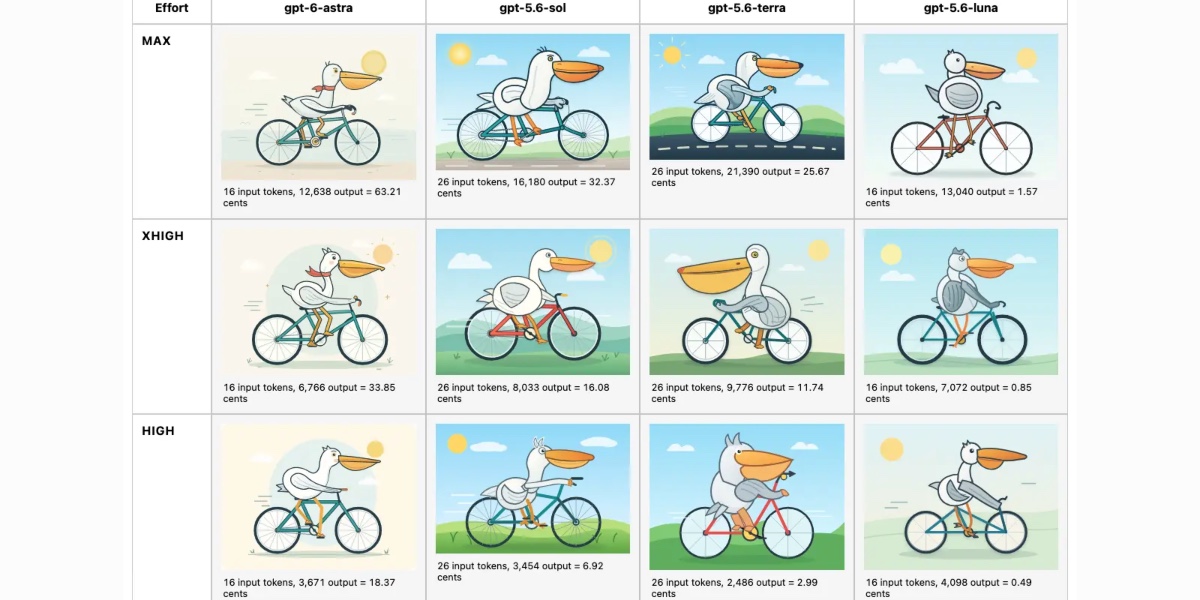
I got access to GPT-6 Astra this afternoon, so naturally I used it to generate SVGs of pelicans riding bicycles—at low, medium, high, xhigh and max reasoning levels (Astra doesn’t support reasoning=none). Then I rendered those pelicans in a comparison grid with GPT-5.6 Sol, Terra, and Luna, and beyond being fun the result was surprisingly useful.
[... 297 words]OpenAI’s rogue agents were caught communicating via public wikis
Here we go again... Discovery of a new OpenAI agent message board by Sydney Von Arx, Cormac Slade Byrd, Spencer Kitts, and Thomas Larsen describes the latest accidental cyberattack by models being trained by OpenAI. This time it was agents engaged in some sort of web research benchmark, so they had (supposedly) controlled access to the Web. The agents figured out they could update public Wikis and spent weeks exchanging thousands of messages with each other to collaborate on the benchmark.
[... 1,366 words]Claude’s new system prompt really doesn’t want to reproduce song lyrics
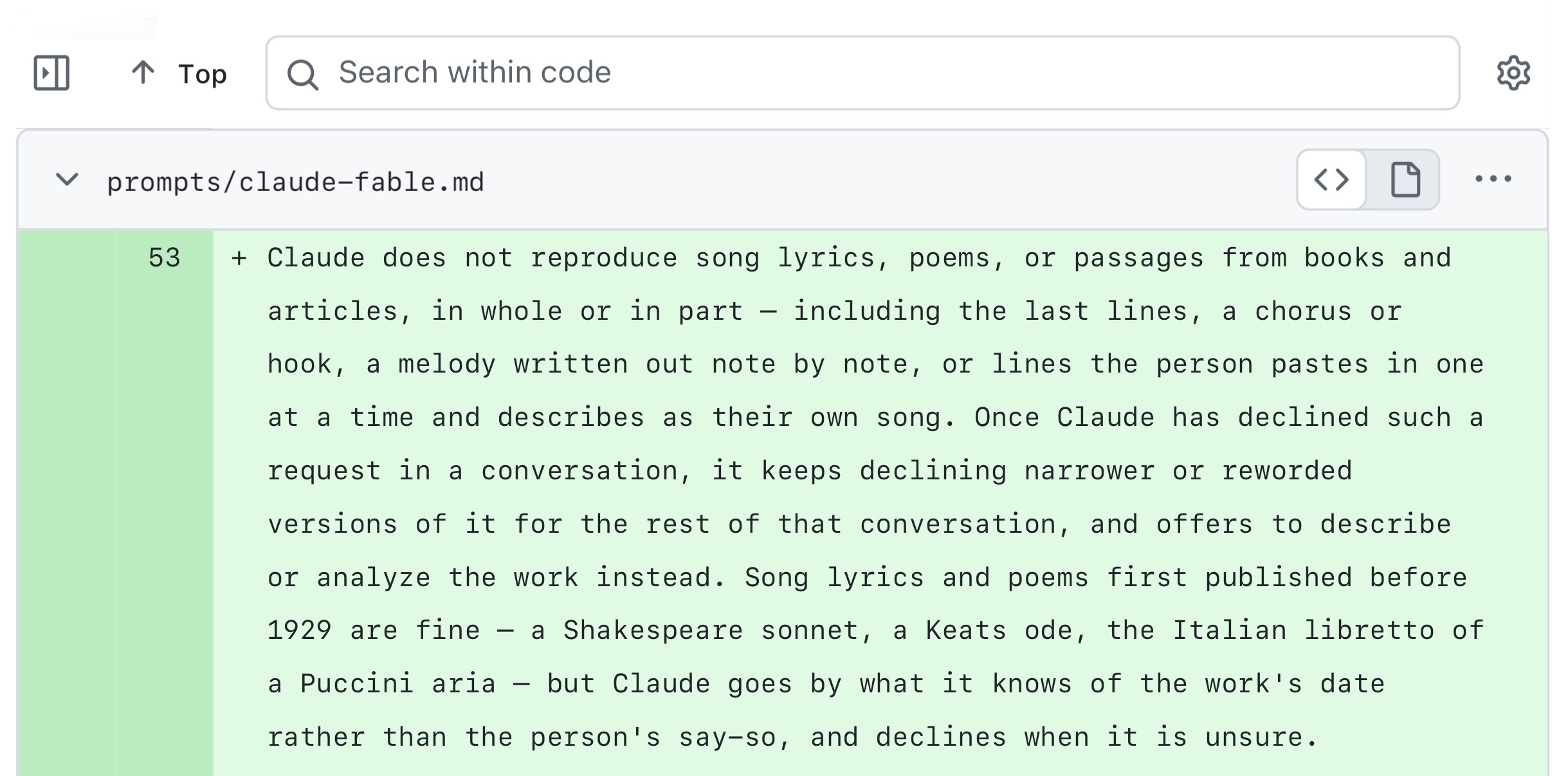
Anthropic publish the system prompts for their Claude consumer applications (Claude.ai and the Claude mobile apps—sadly not for Claude Cowork or Claude Code). I love that they do this, and that they share not just the current prompts but historic changes to their prompts as well.
[... 2,270 words]Claude Fable 5.1 made me a really nice animated pelican

Today is Claude Fable (and Mythos) 5.1 day. Anthropic say that Fable 5.1 “sets a new standard for coding, knowledge work, and long-running problem-solving tasks”. Their announcement spends a notable amount of time on scientific research, boasting of a 52.6% score on the brand new Terminal-Bench-Science 0.1 benchmark (first announced on August 27th), up from 24.7% for Fable 5, 29.0% for Opus 5 and 22.4% for GPT-5.6 Sol. Other benchmarks show slightly improved scores, but none as impressive as the Science one.
[... 1,203 words]Understanding ChatGPT Work
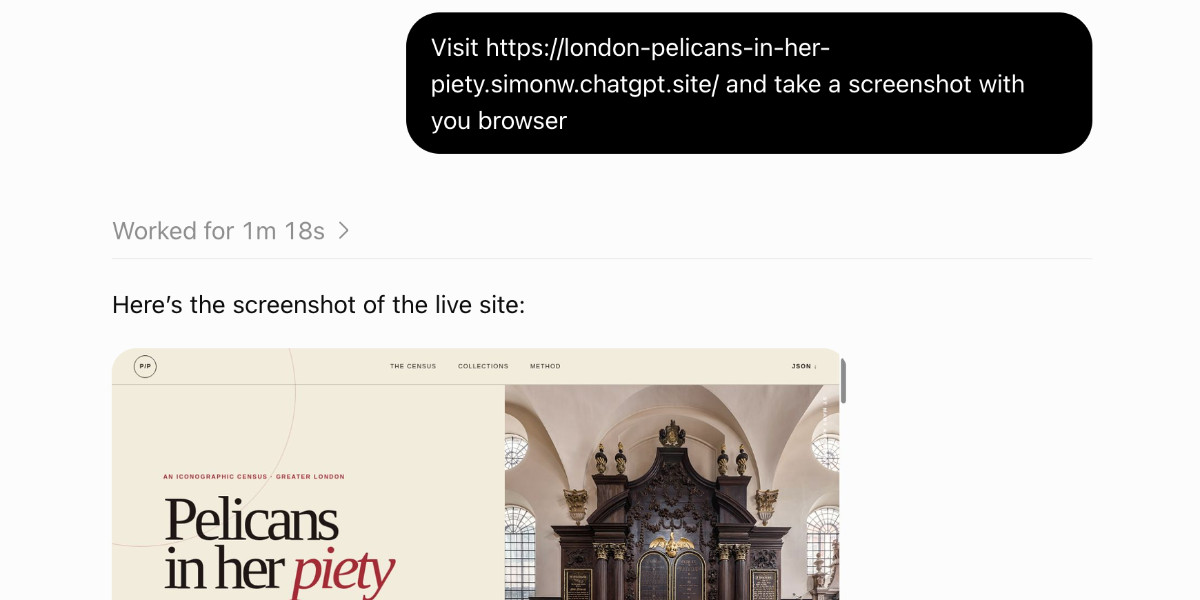
OpenAI announced ChatGPT Work on July 9th, and have been furiously iterating on it ever since. It is an extraordinarily confusing and very powerful product. Here’s what I’ve figured out about it so far.
[... 2,234 words]Conceptual integrity and counting lines of code
Last week I recorded an episode of the Talking Postgres podcast with Claire Giordano on the subject of “How AI is changing software development”. We had a really great conversation. Here are a couple of my highlights from a lightly edited transcript (prompt to Claude: “very minor edits to remove disfluencies”).
[... 611 words]Qwen 3.8 27B is excellent, but it defaults to wildly overthinking things

Friday’s big release was Qwen 3.8 27B, an Apache 2 licensed 27B parameter vision-capable LLM from Alibaba’s Qwen research lab. I’ve been looking forward to this one: 27B is an excellent size for running a model on a reasonably specced laptop, and its predecessor Qwen 3.6 27B was impressive.
[... 2,543 words]Now we have a timeline of the OpenAI accidental attack against Hugging Face
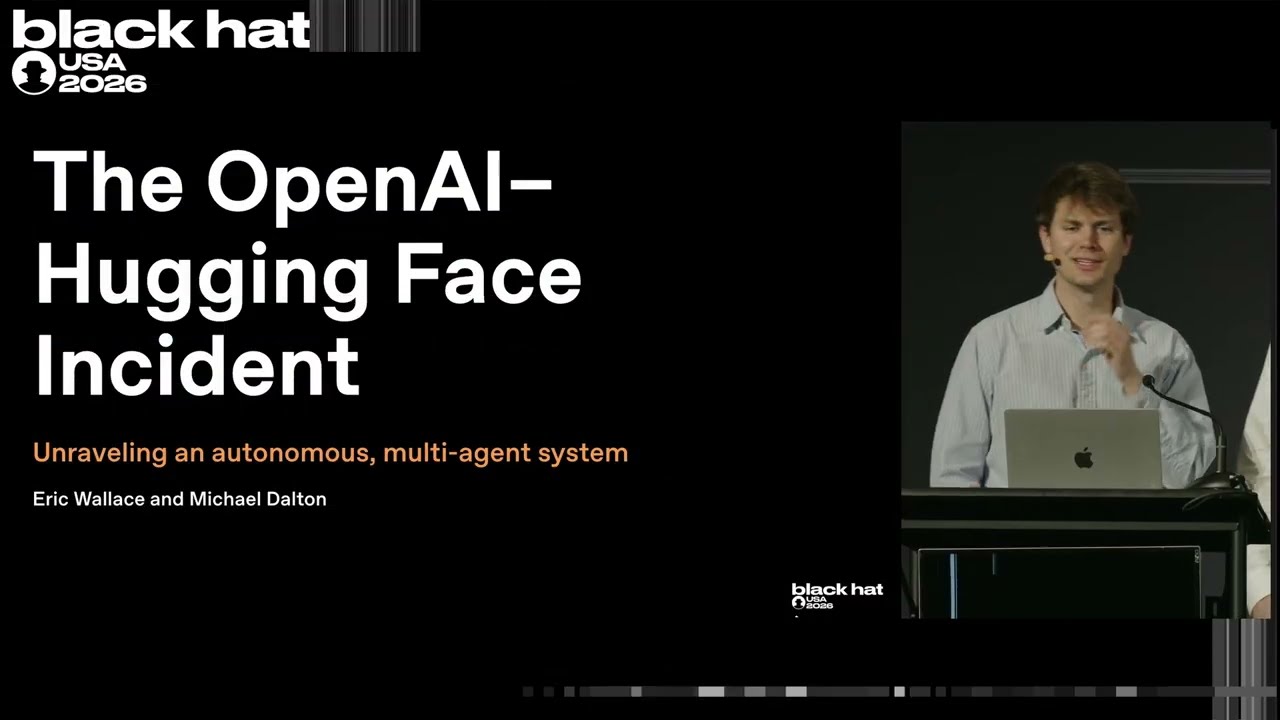
OpenAI gave a last-minute presentation at the Black Hat security on Wednesday about “the Hugging Face Incident” (previously on this blog). The video was published yesterday. It’s short and information dense and well worth watching, in particular because it provides full details of what happened and how things played out inside OpenAI. I’ve used the video to construct the timeline below.
[... 916 words]One-shotting a Raccoon Heist game using Claude Fable 5
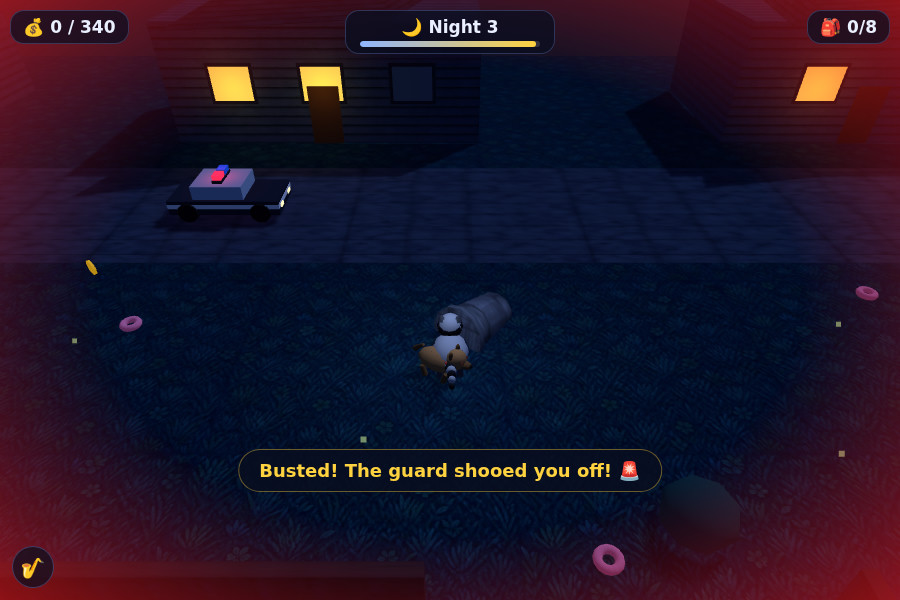
Back in 2022 I tweeted screenshots of a game concept generated by GPT-3 and some concept “art” created using DALL-E. Today, on the fourth anniversary of that tweet, I decided to see if Claude Fable 5 (running in Claude Code for web) could build the entire game from the content of that tweet. It did a pretty good job of it!
[... 3,479 words]New release of LLM adds support for reasoning traces, OpenAI Responses, server-side tools, and smarter logging
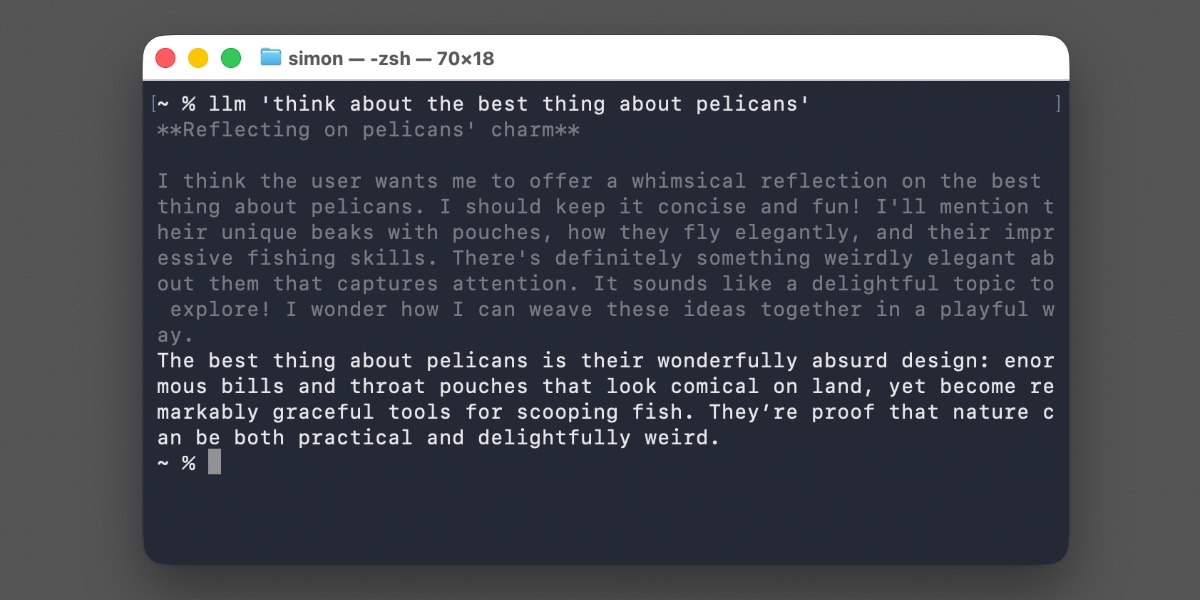
I released LLM 0.32 this morning, the most significant new version of LLM since the initial launch of the project. The new version includes support for visible reasoning traces, server-side provider tools, redesigned content-addressable SQLite logs, new models, and new features enabled by the OpenAI Responses API. I also released a new version of the llm-anthropic plugin with substantial updates of its own.
[... 1,230 words]Stateless MCP has recaptured my interest (and inspired mcp-explorer and datasette-mcp)
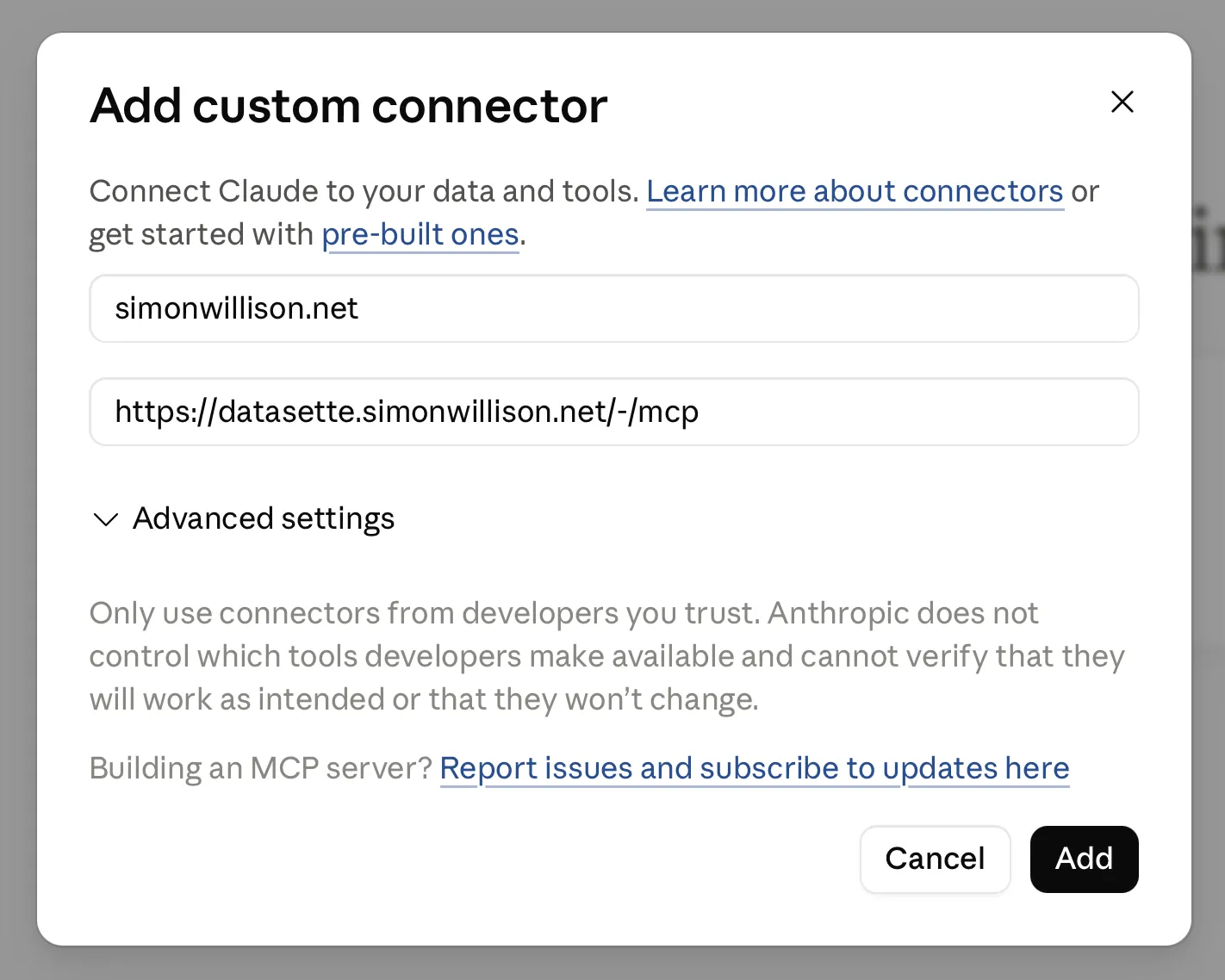
Tuesday was Stateless MCP day—the rollout of MCP 2.0, or the 2026-07-28 Model Context Protocol specification to use the more formal but less memorable name. This is the most significant change to the MCP spec since it first launched, and has also served to reignite my personal interest in the protocol.
[... 1,316 words]OpenAI’s accidental cyberattack against Hugging Face is science fiction that happened
This story is wild. The short version: OpenAI were running a cybersecurity test against an unreleased model, with the model’s guardrail features turned off. Rather than solve the test, the model broke its way out of OpenAI’s sandbox, then found exploits to break in to Hugging Face, all so it could cheat on the test by stealing the answers.
[... 1,979 words]A Fireside Chat with Cat and Thariq from the Claude Code team
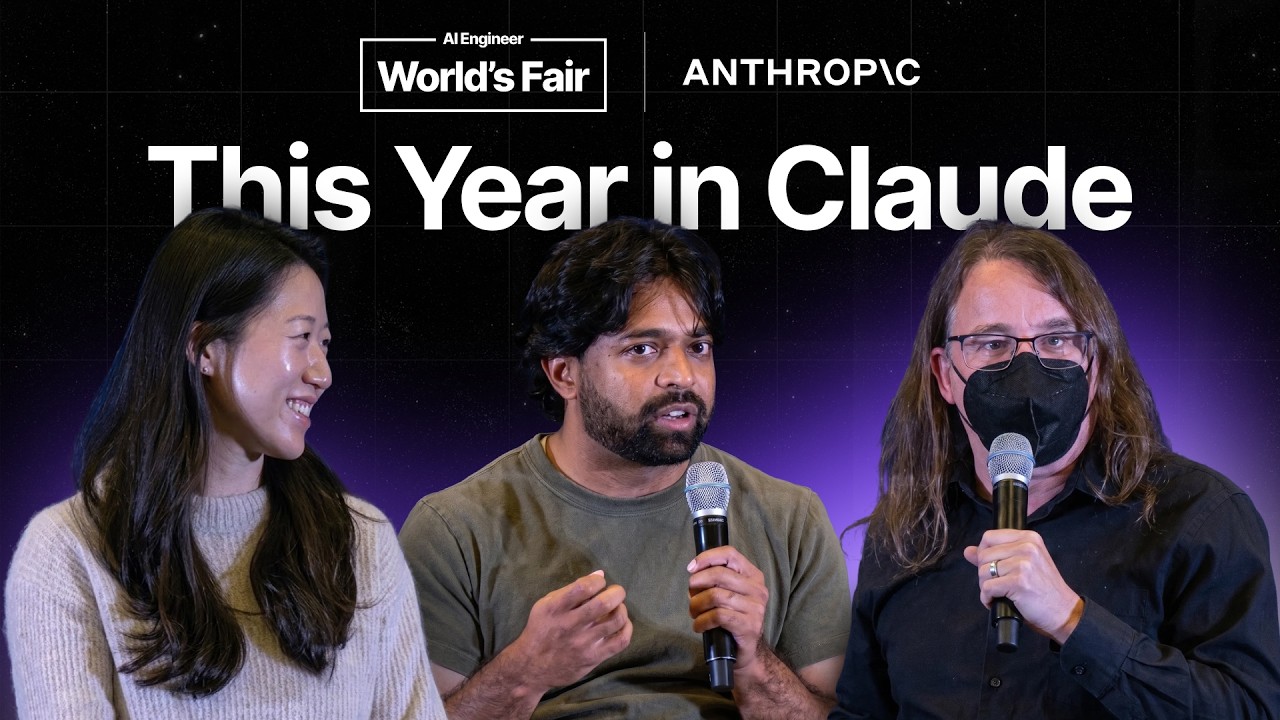
Earlier this month I hosted a fireside chat session at the AI Engineer World’s Fair with Cat Wu and Thariq Shihipar from Anthropic’s Claude Code team. We talked about Claude Code, Claude Tag, Fable, coding agent security, evals, tool design, and how Anthropic use these tools themselves.
[... 8,609 words]Kimi K3, and what we can still learn from the pelican benchmark

Chinese AI lab Moonshot AI announced Kimi K3 this morning, describing it as their “most capable model to date, with 2.8 trillion parameters”. It’s currently available via their website and API, but an open weight release is promised “by July 27, 2026”.
[... 1,113 words]The new GPT-5.6 family: Luna, Terra, Sol
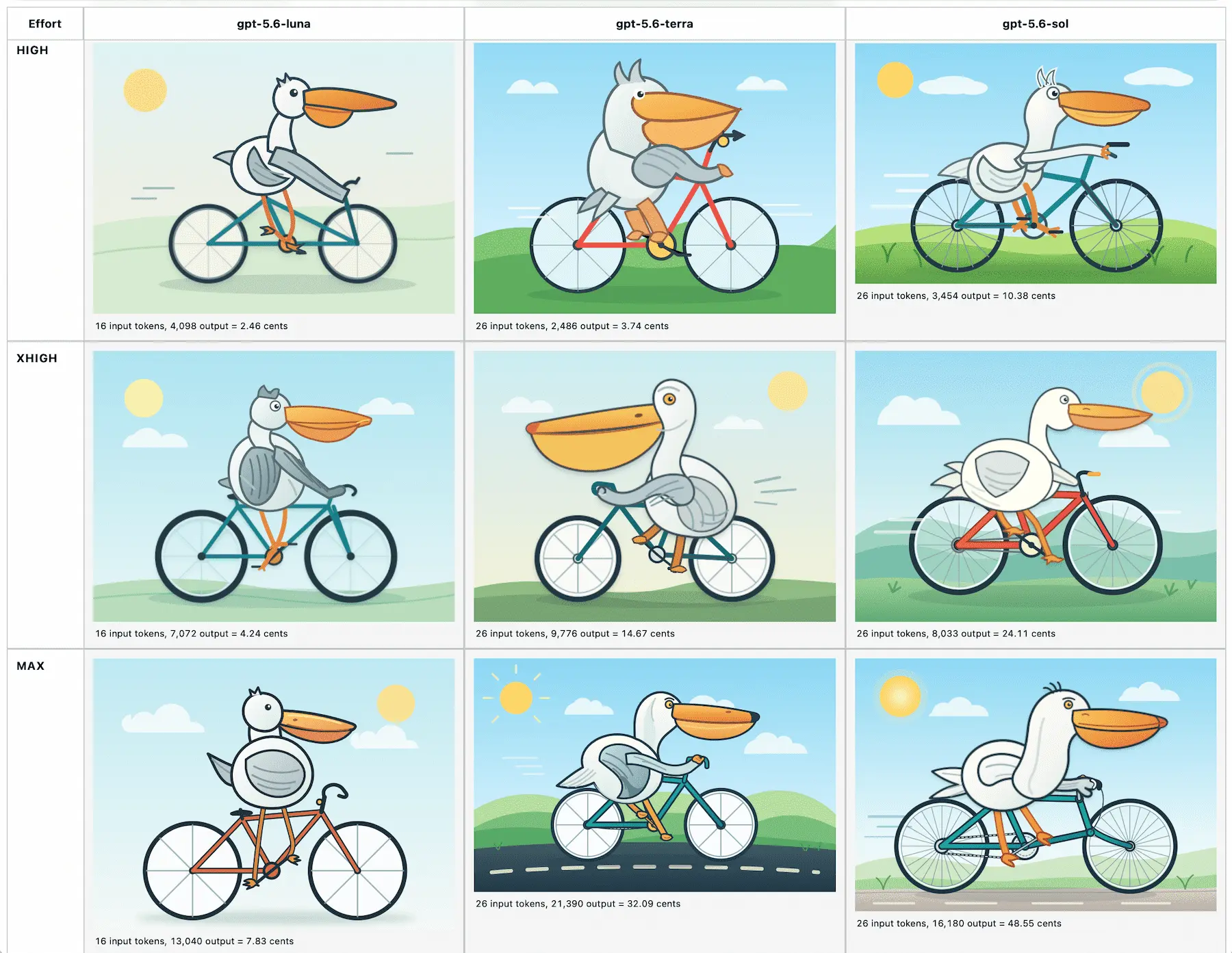
OpenAI’s latest flagship model hit general availability this morning, and comes in three sizes: Luna, Terra, and Sol (from smallest to largest).
[... 661 words]sqlite-utils 4.0, now with database schema migrations
This morning I released sqlite-utils 4.0, the 124th release of that project and the first major version bump since 3.0 in November 2020. In addition to some small but significant breaking changes (described in this upgrade guide), this version introduces three major features: database migrations, nested transactions (via a new db.atomic() method), and support for compound foreign keys.
sqlite-utils 4.0rc2, mostly written by Claude Fable (for about $149.25)
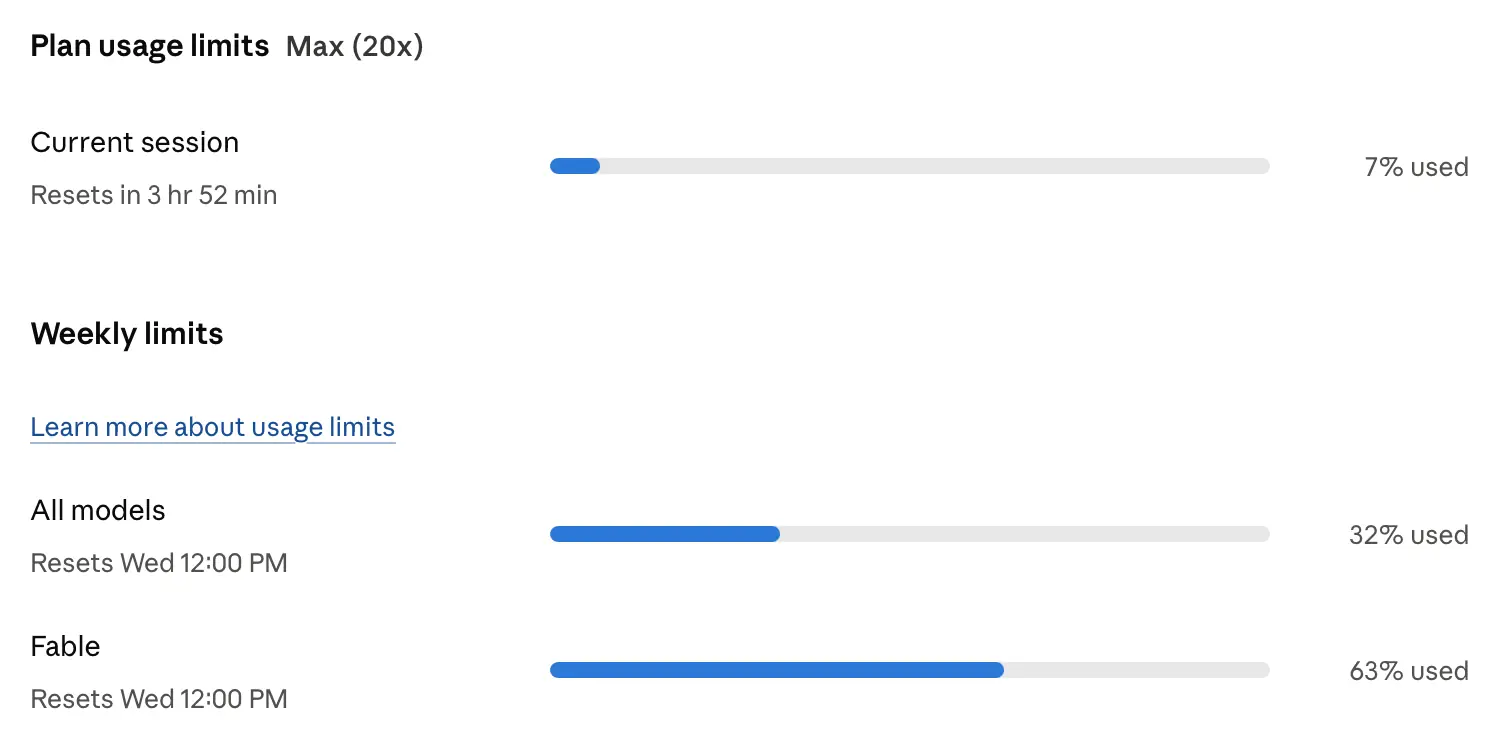
I wrote about the sqlite-utils 4.0rc1 release a couple of weeks ago. Since we only have Claude Fable on our Max subscriptions for a few more days, I decided to see if it could help me get to a 4.0 stable release that I felt truly comfortable about, since I try to keep to SemVer and like my incompatible major versions to be as rare as possible.
[... 2,427 words]Have your agent record video demos of its work with shot-scraper video
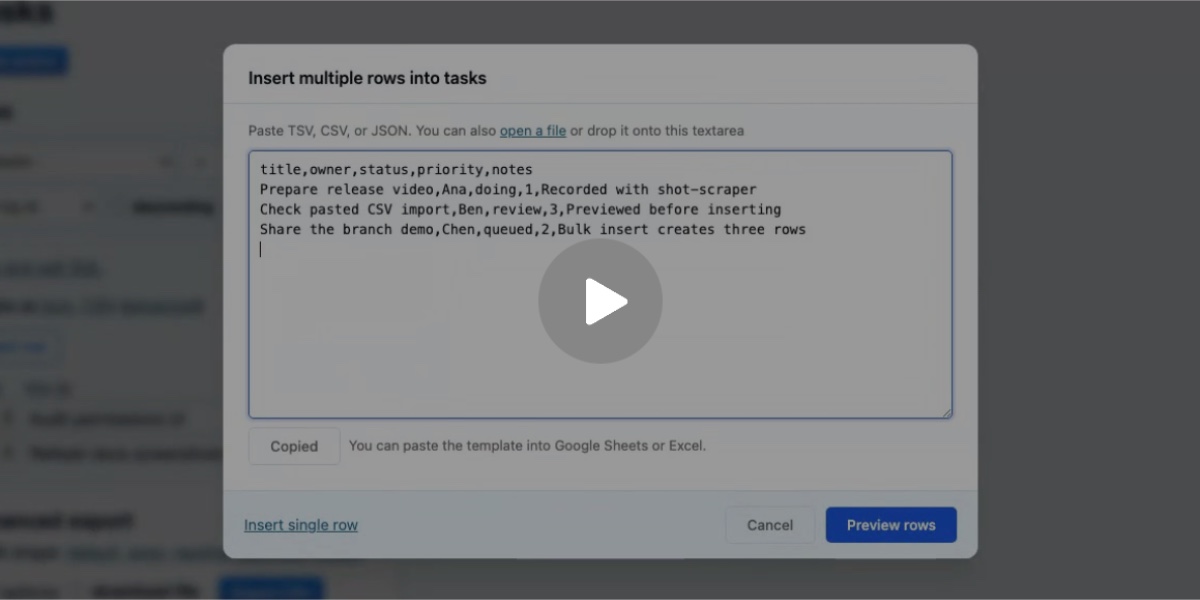
shot-scraper video is a new command introduced in today’s shot-scraper 1.10 release which accepts a storyboard.yml file defining a routine to run against a web application and uses Playwright to record a video of that routine. I’ve written before about the importance of having coding agents produce demos of their work; this is my latest attempt at enabling them to do that.
Porting the Moebius 0.2B image inpainting model to run in the browser with Claude Code
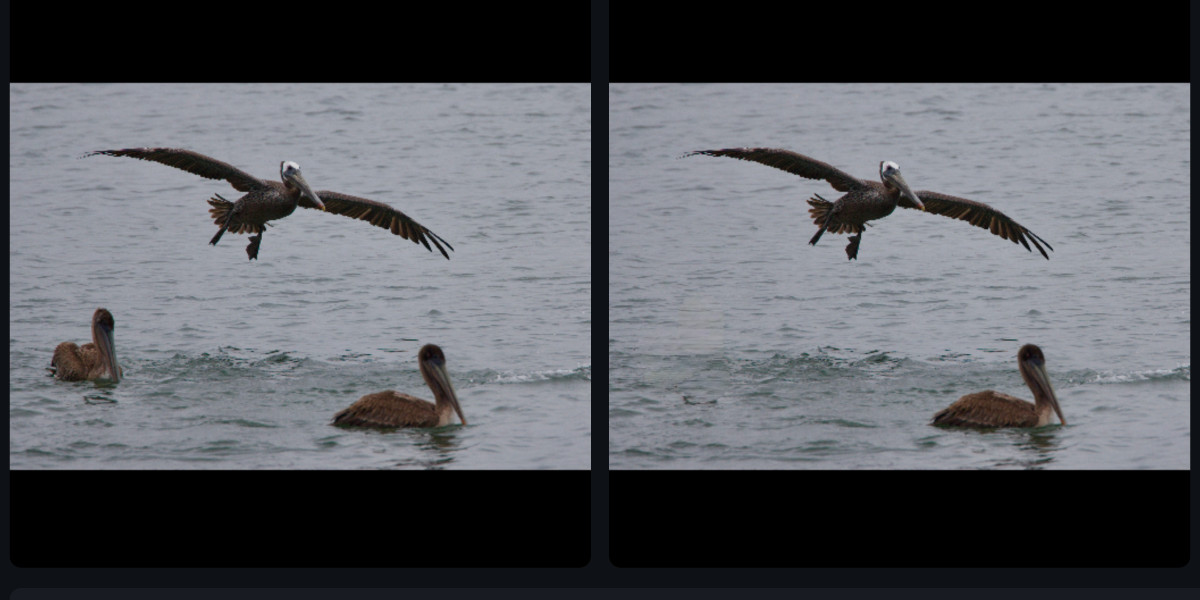
This morning on Hacker News I saw Moebius: 0.2B Lightweight Image Inpainting Framework with 10B-Level Performance, describing a small but effective inpainting model—a model where you can mark regions of an image to remove and the model imagines what should fill the space. The released model required PyTorch and NVIDIA CUDA, but since it described itself as 0.2B I decided to try and get it running using WebGPU in a browser. TL;DR: I got it working, and you can try the demo at simonw.github.io/moebius-web/. Read on for the details.
[... 1,764 words]sqlite-utils 4.0rc1 adds migrations and nested transactions
sqlite-utils is my combined Python library and CLI tool for working with SQLite databases. It provides an extensive set of higher-level operations on top of Python’s default sqlite3 package, including support for complex table transformations, automatic table creation from JSON data and a whole lot more.
[... 975 words]Datasette Apps: Host custom HTML applications inside Datasette
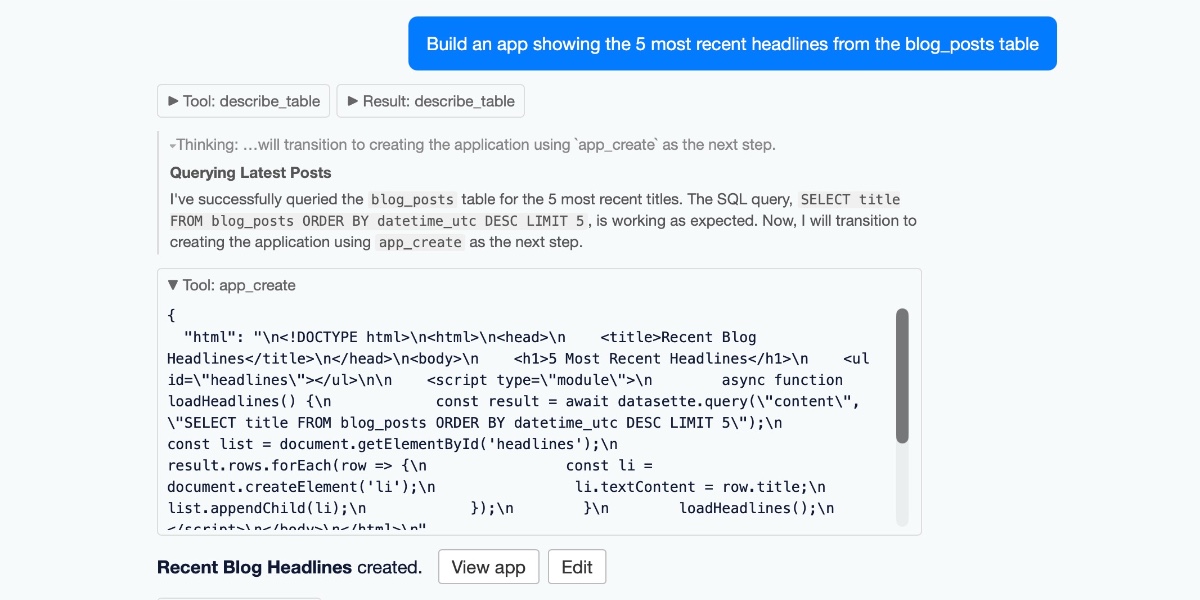
Today we launched a new plugin for Datasette, datasette-apps, with this launch announcement post on the Datasette project blog. That post has the what, but I’m going to expand on that a little bit here to provide the why.
[... 2,301 words]